



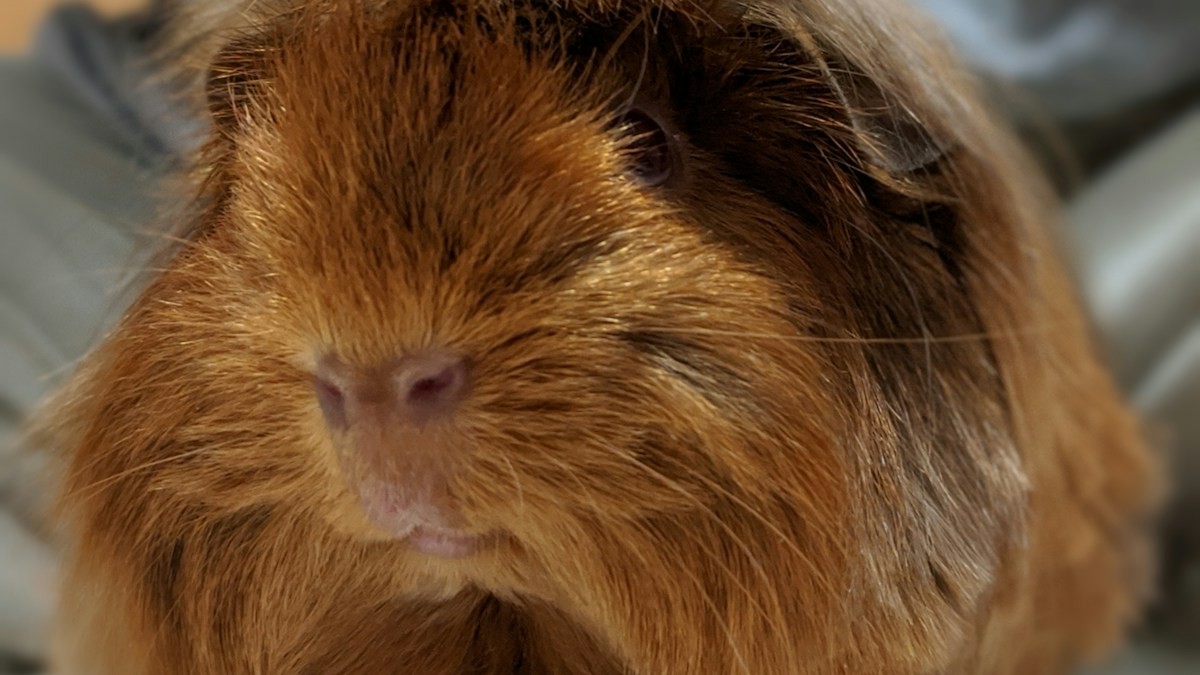
In veterinary medicine, guinea pigs share a peculiar biochemical vulnerability with humans and fruit bats: they are completely incapable of synthesizing their own ascorbic acid (Vitamin C). In virtually all other mammals, the liver converts glucose into ascorbic acid via the enzyme L-gulonolactone oxidase. Due to an ancient genetic mutation, guinea pigs lack this functional enzyme. If they do not consume bioavailable Vitamin C in their diet every single day, their collagen synthesis collapses.
Vitamin C deficiency—known clinically as hypovitaminosis C or scurvy—is one of the most agonizing, widespread illnesses diagnosed in pet guinea pigs. Scurvy does not happen overnight; it is an insidious, progressive disease that silently weakens blood vessels, causes painful micro-hemorrhages around joints, degrades tooth socket ligaments, and paralyzes the immune system. Novice owners often fail to recognize early symptoms until their pet is unable to walk or eat.
In this clinical veterinary guide, we examine Vitamin C deficiencies in guinea pigs in exhaustive detail. You will learn how to recognize early subtle warning signs before permanent joint damage occurs, understand therapeutic versus maintenance milligram dosages, and master the art of curating a safe, low-calcium fresh vegetable diet that guarantees peak lifelong health.
Pathology and Clinical Symptoms: Recognizing the Stages of Scurvy
Because guinea pigs are prey animals, they instinctively hide pain until illness reaches an advanced, life-threatening stage.
Stage 1: Early Behavioral and Coat Changes (Days 7 to 14)
The earliest indicators of Vitamin C deficiency are subtle: an unkempt, dull, rough coat that loses its natural glossy shine; mild lethargy; and a gradual decline in appetite for crunchy hay.
The pig may exhibit mild vocal squeaks of pain when lifted around the ribcage as microscopic sub-periosteal hemorrhages begin irritating skeletal connective tissues.
Stage 2: Advanced Musculoskeletal Collapse and ‘The Scurvy Hop’
As collagen synthesis ceases, cartilage around the stifle (knee) and hock (ankle) joints begins degrading. The guinea pig develops a characteristic ‘bunny hop’ gait, dragging its hind legs or refusing to put weight on swollen, painful joints.
Gingival hemorrhages cause loose front incisors, making it painful to chew. The animal drools (‘slobbers’) and rapidly loses body mass as secondary gut stasis develops.
Therapeutic vs. Maintenance Dosage Protocols
Administering the correct therapeutic milligram dosage can reverse early scurvy within 72 to 96 hours.
The Daily Maintenance Baseline: 10 to 30 mg/kg
A healthy adult guinea pig requires 10 to 30 milligrams of Vitamin C per kilogram of body weight daily (the average adult guinea pig weighs 900 to 1,300 grams). Pregnant sows and elderly pigs benefit from the higher 30mg threshold.
Because Vitamin C is a water-soluble vitamin, any mild excess is excreted harmlessly in urine; however, chronic massive overdosing (>100mg daily) can irritate bladder linings and contribute to calcium oxalate crystallization.
Therapeutic Veterinary Protocol: 50 to 100 mg/kg
If your guinea pig displays clinical symptoms of scurvy (joint stiffness or hopping), immediately begin therapeutic dosing of 50 to 100 mg/kg daily for 14 consecutive days under veterinary supervision.
Use pure liquid pediatric vitamin C drops (without sugar, alcohol, or artificial food dyes) or crush an unflavored 100mg human ascorbic acid tablet in 1ml of water, administering it directly into the mouth using an oral 1ml needleless syringe.
Fresh Vegetable Sourcing: The Bell Pepper Supremacy
Relying on fortified commercial pellets is risky because Vitamin C oxidizes rapidly. Fresh vegetables are your most reliable daily defense.
Why Bell Peppers are the Ultimate Superfood
A single sweet yellow or red bell pepper contains more Vitamin C per 100 grams than fresh oranges, with virtually zero calcium and low sugar. Feeding one-eighth of a bell pepper daily delivers roughly 20 to 25mg of natural Vitamin C—fulfilling 100% of your pig’s daily requirement.
Green bell peppers are slightly lower in Vitamin C (roughly 12-15mg per slice) but are lower in sugar, making them ideal for weight-conscious adult pigs.
The Parsley and Kale Calcium Trap
Novice owners often feed massive amounts of fresh parsley and curly kale because they are high in Vitamin C. However, both parsley and kale contain dangerously high levels of calcium and oxalates.
In adult guinea pigs, excess dietary calcium cannot be absorbed and precipitates in the urinary bladder, forming painful calcium carbonate sludge and jagged bladder stones. Restrict high-calcium greens to a tiny garnish once a week.
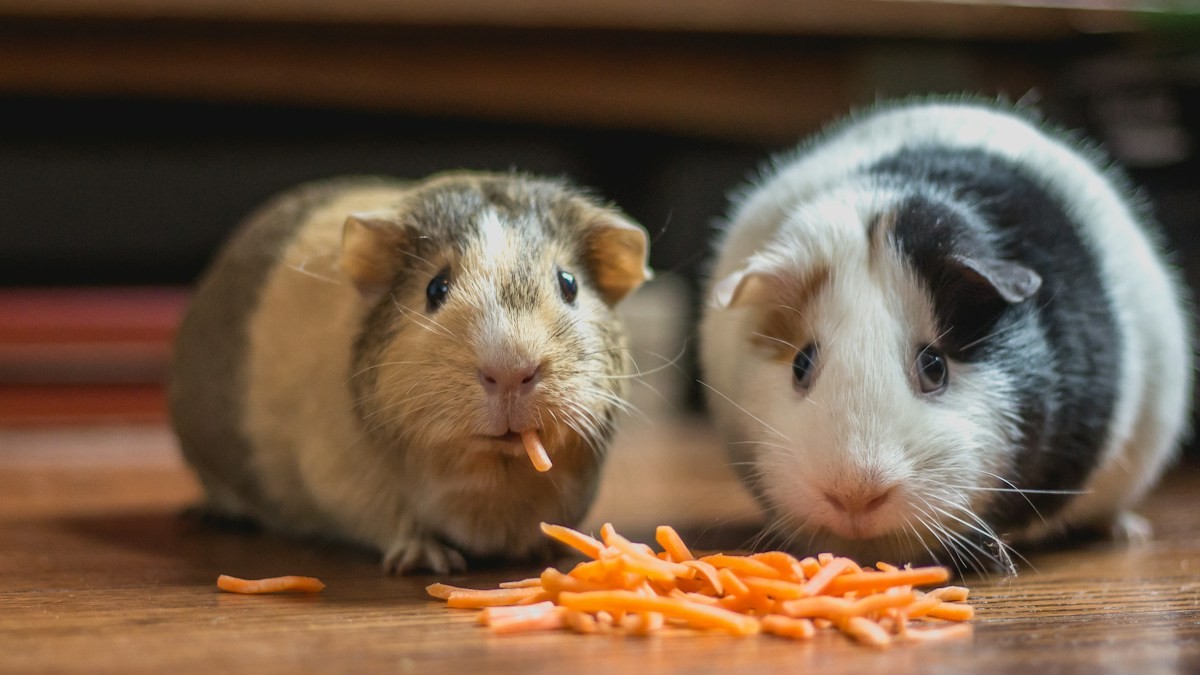
Fresh Vegetables Ranked by Vitamin C Concentration & Oxalate Safety
| Fresh Vegetable | Vitamin C Content (mg / 100g) | Oxalate Level | Calcium Content | Safe Feeding Frequency |
|---|---|---|---|---|
| Yellow Bell Pepper | 183 mg (Peak Density) | Very Low | 11 mg (Safe) | Daily staple (1/8th pepper per pig) |
| Red Bell Pepper | 127 mg | Very Low | 7 mg (Safe) | Daily staple (1/8th pepper per pig) |
| Fresh Cilantro (Coriander) | 27 mg | Low | 67 mg (Moderate) | Daily leafy staple (Small handful) |
| Green Bell Pepper | 80 mg | Very Low | 10 mg (Safe) | Daily staple (Lower sugar than red) |
| Curly Fresh Parsley | 133 mg (High Vitamin C) | Very High | 138 mg (HIGH CALCIUM) | Strict limit: 1-2 sprigs once a week only |
| Fresh Dill / Mint | 50 mg | Low-Moderate | Moderate | 2-3 times per week as aromatic forage |
Recommended Further Reading & Authoritative References
To deepen your understanding of these systems, review our companion analysis on Ultimate Guinea Pig Diet Guide and Understanding Guinea Pig Vocalizations. For official technical specifications and industry standards, consult the Merck Veterinary Manual Guinea Pig Husbandry & Pathology.
Preventative Health Protocols & Environmental Quality Standards
Maintaining optimal wellbeing when implementing Vitamin C Deficiencies in Guinea Pigs requires consistent observation and strict environmental quality control. Small animals and aquatic species possess sensitive respiratory and metabolic systems that react rapidly to subtle micro-environmental shifts.
Establish a regular sanitation schedule using only pet-safe, non-toxic cleaning agents free from volatile synthetic fragrances. For aquatic habitats, conduct weekly multi-parameter water tests measuring ammonia, nitrite, and nitrate levels to preserve established biological filtration.
Conduct daily behavioral evaluations during feeding routines. Early identification of appetite variations, altered posture, or changes in grooming habits enables immediate, low-stress interventions before minor concerns develop into urgent veterinary conditions.
Comprehensive Husbandry Audit & Long-Term Management Protocols
Implementing these techniques successfully over extended periods requires continuous observation and systematic environmental auditing. Experienced caregivers recognize that baseline standards must be dynamically adapted to suit the unique physical health, temperament, and behavioral responses of each animal. By maintaining a structured weekly health and habitat observation log, you can identify subtle physiological shifts early, ensuring that your companion pet enjoys a sustained quality of life characterized by comfort, mental stimulation, and exceptional vitality.
Furthermore, maintaining strict adherence to validated veterinary guidelines prevents the subtle onset of chronic illness or psychological distress. Regularly verifying structural integrity, nutritional bioavailability, and hygienic thresholds safeguards your habitat against environmental hazards. When you invest the effort to design and maintain a meticulously curated living space, you establish an enduring standard of care that promotes thriving longevity and deep, enriching companion bonding.
Frequently Asked Questions
Can I give my guinea pig fresh orange or citrus fruit slices?
While citrus fruits contain Vitamin C, their high citric acid content causes painful lip sores (cheilitis) in guinea pigs, and high fructose can trigger cecal dysbiosis. Bell peppers provide vastly more Vitamin C with zero acidic irritation.
How quickly does a guinea pig recover once scurvy treatment begins?
When treated early with 50-100mg daily oral Vitamin C, guinea pigs show remarkable improvement within 48 to 72 hours: joint inflammation subsides, appetite returns, and normal walking posture resumes within one to two weeks.
Are chewable Vitamin C pet treats effective?
Yes! Stabilized, hay-based Vitamin C wafers (such as Oxbow Natural Science Vitamin C) are highly palatable and retain their potency far longer than liquid drops. Most guinea pigs view them as prized daily treats.
Can Vitamin C deficiency cause respiratory infections in guinea pigs?
Yes! Vitamin C is vital for mucosal barrier integrity in the respiratory tract. Deficient guinea pigs suffer dramatic immune suppression, allowing opportunistic bacteria like *Bordetella bronchiseptica* to trigger fatal pneumonia.