



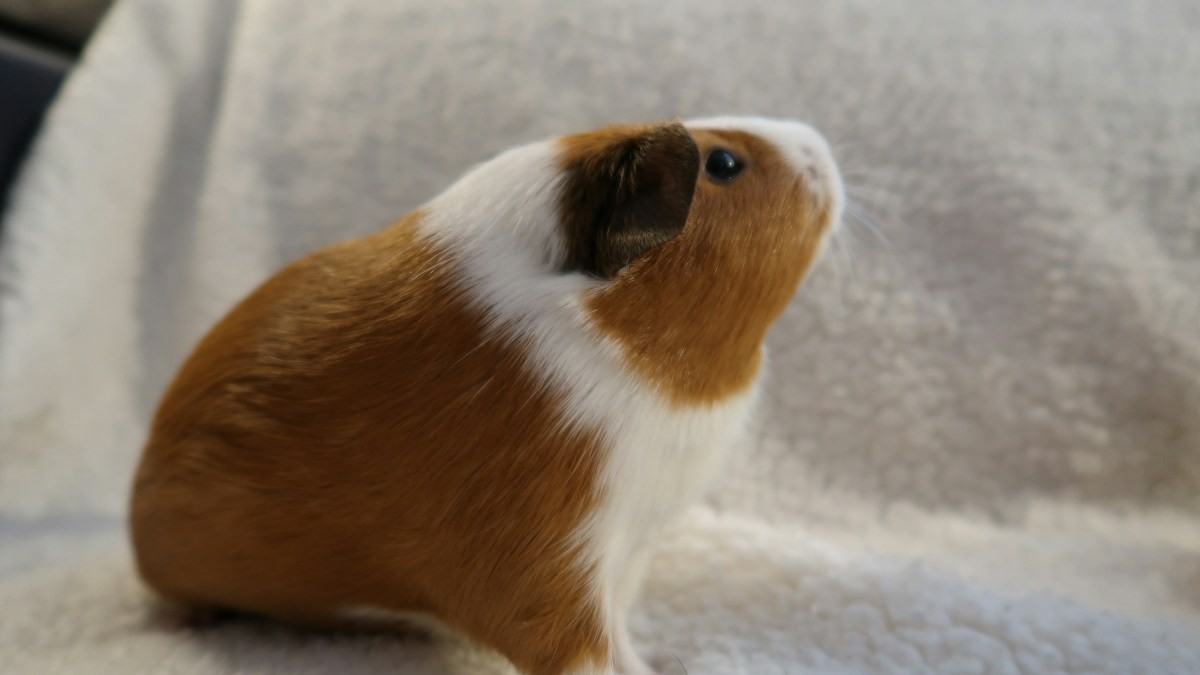
In companion rodent nutrition, there is no single dietary component more vital to survival than grass hay. For the domestic guinea pig (*Cavia porcellus*), grass hay is not an optional side dish or casual forage; it represents the absolute foundation of life, comprising 80% to 90% of their total daily dietary intake by volume. In nature, wild cavies spend between ten and sixteen hours every day continuously chewing coarse, fibrous grasses to fuel their delicate hindgut cecal fermentation system and prevent catastrophic dental overgrowth.
Timothy grass (*Phleum pratense*) is the undisputed gold standard of companion herbivore hays due to its ideal calcium-to-phosphorus ratio and optimal balance of digestible and indigestible cellulose fibers. However, walking down the pet supply aisle or purchasing farm bales reveals dramatic variations in color, texture, seed heads, and stem thickness. These physical differences are governed by the specific agricultural harvest cycle, commercially classified into First Cut, Second Cut, and Third Cut timothy hay.
Choosing the incorrect hay grade can trigger severe clinical consequences, ranging from selective starvation in picky eaters to accelerated dental malocclusion and life-threatening gastrointestinal stasis. This definitive veterinary nutrition guide decodes guinea pig timothy hay grading, detailing fiber analysis, silica phytolith tooth wear mechanics, and tailoring hay selection to your cavy’s exact dental and digestive health status.
The Biomechanics of Continuous Dental Eruption and Fiber Wear
Why chewing long-strand silica-rich grass is mandatory for rodent oral health.
Open-Rooted Elodont Dentition
Guinea pigs possess an ‘elodont’ or continuously growing dentition. All twenty of their teeth—including the prominent front incisors, premolars, and deep posterior molars—grow ceaselessly throughout their lifespan at an astonishing rate of approximately 2 to 3 millimeters every week.
Commercial pellets and soft vegetable treats are pulverized with a simple vertical crushing motion that does virtually nothing to grind down molar crowns. To wear their teeth down at a rate equal to eruption, guinea pigs must engage in prolonged, side-to-side (horizontal) chewing of long-strand coarse fibrous hay.
Silica Phytoliths and Molar Spur Prevention
Timothy grass blades incorporate microscopic crystalline silica particles, known as phytoliths, absorbed from agricultural soil. When the guinea pig grinds hay stems between its cheek teeth, these microscopic silica crystals act like industrial sandpaper, polishing and leveling the occlusal surfaces.
When an animal is fed soft hay or excessive pellets, horizontal grinding ceases. Within weeks, the cheek teeth develop razor-sharp enamel ridges known as ‘molar spurs.’ These agonizing spurs cut deep lacerations into the tongue and inner cheek walls, causing drooling, anorexia, and rapid weight loss requiring general anesthesia and dental burring.
Analyzing the Three Agricultural Cuts of Timothy Hay
Nutritional profiles, fiber percentages, and textural characteristics.
First Cut Timothy: High Fiber and Rigid Stems
First-cut timothy hay is harvested in late spring during the plant’s initial early flowering stage. It is characterized by thick, rigid, woody stems, a lighter greenish-yellow hue, and an abundance of large, cylindrical flower seed heads (timothy heads) that cavies adore as treats.
First cut boasts the highest acid detergent fiber (ADF) and crude fiber content (typically 32% to 36%), paired with the lowest fat and protein levels. While it offers unmatched dental abrasive wear, its coarse, woody texture is rejected by picky or elderly guinea pigs, leading to substantial cage waste.
Second Cut Timothy: The Ideal Daily Baseline
Harvested in mid-to-late summer from secondary field growth, second-cut timothy represents the undisputed international gold standard for healthy adult cavies. It presents a vibrant deep green color, a fragrant sweet aroma, and an optimal 50/50 ratio of tender broad leaves to moderately crunchy stems.
With an excellent crude fiber level of 30% to 32% and moderate crude protein (9% to 11%), second cut provides all the dental abrasion necessary for molar health while maintaining superb palatability that encourages continuous, enthusiastic grazing throughout the day and night.
Third Cut Timothy: Soft, Leafy, and Specialized
Third-cut timothy is harvested in late autumn before the first winter frost. It consists almost entirely of lush, delicate, ribbon-like green leaves with virtually zero rigid stems or seed heads. It is extraordinarily soft to the touch and possesses a rich, sweet herbal fragrance.
Because third cut contains lower structural fiber (24% to 28%) and higher protein, it does not provide sufficient abrasion for standard dental maintenance. However, it is an invaluable veterinary rehabilitation feed for senior guinea pigs with existing dental malocclusion, arthritic jaws, or patients recovering from surgical procedures who refuse coarser cuts.

Hindgut Cecal Fermentation and Preventing Lethal GI Stasis
How non-digestible cellulose drives cecal microflora equilibrium.
Cecal Fermentation Mechanics
Guinea pigs are hindgut fermenters whose cecum functions like a giant organic fermentation vat housing complex colonies of beneficial anaerobic bacteria. The indigestible long-strand cellulose fibers in timothy hay physically stimulate intestinal peristalsis, keeping digesta moving continuously through the gastrointestinal tract.
If fiber intake drops for even twelve hours, gastrointestinal motility grinds to a halt—a life-threatening veterinary emergency known as GI stasis. In stasis, pathogenic gas-producing bacteria (*Clostridium*) proliferate rapidly, causing agonizing bloat, hypothermia, and circulatory collapse.
Hay Feeder Geometry and Unlimited Supply Rules
Because a cavy’s digestive tract must never empty, clean fresh hay must be available in unlimited quantities 24 hours a day, 365 days a year. Never restrict hay or measure it into tiny daily cups.
Avoid traditional overhead wire hay mangers, which force cavies to crane their necks at awkward angles and can trap tiny skulls. Instead, utilize deep cardboard forage boxes, open wooden hay bins, or large piles placed directly on fleece liners that allow natural horizontal burrowing and foraging.
Comprehensive Timothy Hay Cut Comparison & Nutritional Profile
| Timothy Harvest Cut | Crude Fiber (ADF) | Crude Protein | Texture & Composition | Primary Clinical Application |
|---|---|---|---|---|
| First Cut | 33% – 36% (Highest) | 7% – 9% (Lowest) | Thick coarse stems, abundant seed heads | Severe dental spur prevention / Overweight cavies |
| Second Cut | 30% – 33% (Optimal) | 9% – 11% (Balanced) | Soft leafy greens + medium crunchy stems | Gold Standard daily staple for all adult cavies |
| Third Cut | 24% – 28% (Lower) | 12% – 15% (Higher) | 100% soft leafy ribbon, zero stiff stems | Senior cavies, dental surgery recovery, picky eaters |
| Alfalfa Hay (Legume) | 22% – 26% | 16% – 19% (High) | Dense leafy legume, very high calcium | Growing pups (<6 months) & pregnant sows ONLY |
Recommended Further Reading & Authoritative References
To deepen your practical mastery of these concepts, explore our comprehensive analyses on daily vitamin C dosages and fresh vegetable nutrition guide and building spacious C&C cages with dedicated hay foraging zones. For official technical standards, peer-reviewed benchmarks, and industry guidelines, consult the Oxbow Animal Health Agricultural Science: All About Timothy Hay.
Frequently Asked Questions
Can adult guinea pigs eat alfalfa hay instead of timothy hay?
No! Alfalfa is a legume, not a grass hay. It contains exceptionally high levels of calcium and protein. Feeding alfalfa to adult guinea pigs over six months old leads to severe calcium bladder sludge, agonizing kidney stones, and obesity.
Why does my guinea pig pull all the hay out of the rack and sit on it?
This is completely normal, instinctual cavy behavior! In nature, guinea pigs graze within dense grass thickets that provide overhead camouflage from predators. Sitting in a large pile of hay makes them feel safe and sheltered.
How can I tell if a box of hay has gone bad or moldy?
Good hay smells sweet, earthy, and fresh like summer tea. If the hay has a dusty white/grey cobweb appearance, feels warm or damp to the touch, or smells sour or musty like a damp basement, discard the entire batch immediately.
Is Orchard Grass a good alternative if I am allergic to Timothy Hay?
Yes! Orchard grass (*Dactylis glomerata*) has an almost identical nutritional and fiber profile to second-cut timothy hay, but produces far less airborne pollen. It is widely recommended by veterinarians as a 100% safe alternative for allergic pet parents.