




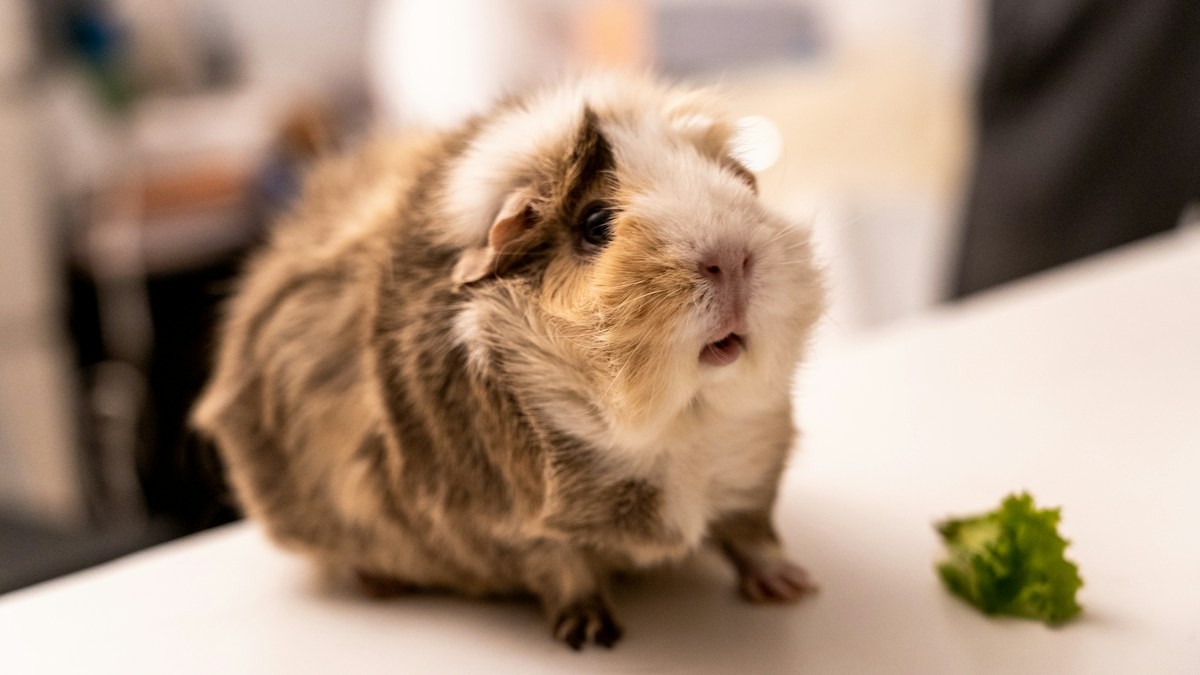
Guinea pigs (*Cavia porcellus*) are deeply social, herd-oriented rodents possessing an innate psychological drive for companionship. In animal welfare jurisdictions worldwide—including Switzerland, where legislation famously prohibits keeping a single guinea pig in isolation—providing a compatible companion is recognized as a fundamental welfare prerequisite. A solitary cavy frequently suffers from chronic behavioral depression, diminished appetite, and elevated baseline stress hormones.
However, introducing two unfamiliar guinea pigs is not as simple as placing them together in a cage and hoping for the best. Cavies operate under strict social dominance hierarchies that dictate access to food, prime resting chambers, and herd movement. Introducing a newcomer directly into an existing resident’s cage inevitably triggers intense territorial panic, resulting in violent physical fighting, facial lacerations, and permanent psychological trauma.
Successful companion pairing requires meticulous adherence to evidence-based guinea pig bonding protocols. This comprehensive behavioral guide outlines the exact environmental requirements for neutral territory introductions, decodes complex dominance vocalizations and body language, establishes the non-negotiable parameters of the ‘blood rule,’ and details the habitat deep-cleaning protocols required before co-habitation.
Pairing Dynamics: Boars, Sows, and the Neutered Male Ideal
Understanding gender compatibility and hormonal dynamics in cavy herds.
The Neutered Boar and Sow Dream Team
The single most harmonious, naturally stable social combination in guinea pig husbandry is one neutered male (boar) paired with one or more females (sows). In nature, wild cavy herds naturally organize around a single alpha male protecting a harem of breeding females.
A neutered boar effortlessly fulfills this instinctual patriarch role, while sows instinctively accept his presence without challenging his social status. Note that a boar remains fertile for six full weeks following surgical castration, requiring a strict quarantine period before introduction to females.
Female-Female Pairs vs Male-Male Pairs
Female pairs are generally easy to bond, though young sows often re-establish dominance during bi-weekly estrus cycles. Male-male bonding (boar pairs) can be exceptionally rewarding, but requires strict adherence to spatial rules.
Boars require substantially more living space (a minimum 2×5 or 2×6 grid C&C cage) to prevent territorial clashes. Never attempt to introduce a third male to an established boar pair, and never house boars in the same room as females, as the scent of a sow in heat will cause even the closest bonded brothers to fight to the death.
The Neutral Territory Protocol: Environmental Setup
Eliminating territorial scent cues to facilitate peaceful first impressions.
The Scent-Free Arena Setup
The introduction must take place on completely neutral ground where neither guinea pig has ever set foot—such as a cleared tiled bathroom floor, an enclosed hallway, or a temporary playpen set up in a living room. Lay down a clean, scent-free bedsheet or fresh fleece.
The introduction pen must measure at least 15 to 20 square feet to allow ample flight space. If an arena is too cramped, an animal that wishes to de-escalate tension cannot retreat, forcing it into defensive aggression.
Strategic Food Barriers and Tunnel Hides
Dump a colossal mountain of fragrant green timothy hay directly in the center of the arena. Eating together is the ultimate herd bonding activity; the scent of fresh hay encourages dopamine release and distracts them from immediate conflict.
Scatter several cardboard tunnels or arched willow bridges around the perimeter. Crucially, all hides must have at least two large exit doors. Never use traditional wooden houses with single doorways, as a dominant animal will trap the subordinate inside, triggering frantic defensive biting.
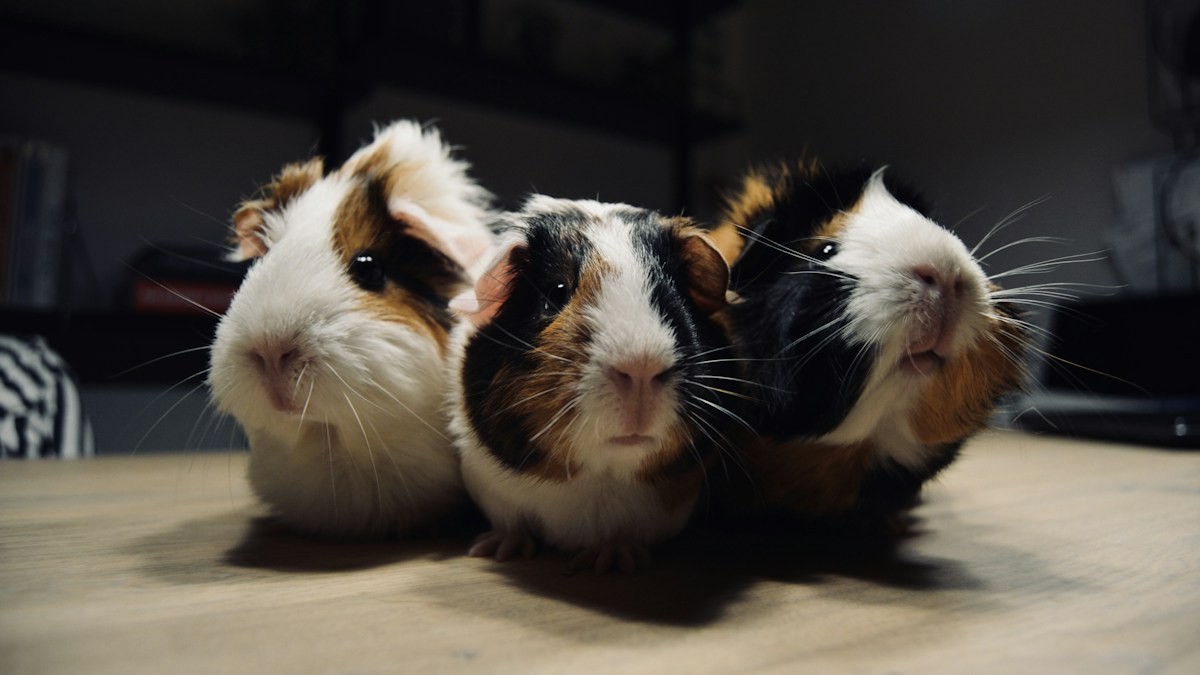
Decoding Dominance Body Language and the Sacred Blood Rule
Distinguishing healthy hierarchical sorting from dangerous physical violence.
Normal Hierarchy Behaviors: Rumblestrutting and Chin-Raising
Novice owners are frequently horrified by normal dominance sorting and prematurely intervene, ruining the bond. Expect to observe ‘rumblestrutting’—where a cavy sways its hips in an exaggerated swagger while emitting a low, vibrating purr-growl.
You will also observe chin-raising contests, where both cavies elevate their snouts into the air. The pig that raises its chin highest claims dominant status. Mounting, mild chasing, and spraying small drops of urine are completely normal behaviors that establish leadership and must not be interrupted.
The Blood Rule and Safe Physical Intervention
The line between healthy dominance and dangerous fighting is distinct. If you observe loud, aggressive teeth-chattering (sounding like rapid wooden dice shaking), yawning displays that flash front incisors, and high-tension circling, stand alert with a thick towel.
The non-negotiable threshold is the ‘Blood Rule’: if the cavies lock together in a spinning, tumbling ball of flying fur and gnashing teeth, or if visible blood is drawn, the bonding has failed. Immediately throw a thick bath towel or drop a plastic dustpan between them to break their grip. Never reach in with bare hands, as adrenaline-fueled cavies will unintentionally bite through human tendons.
Guinea Pig Introduction Behavior Translation Guide
| Observed Behavior | Acoustic / Visual Description | Behavioral Meaning | Caregiver Action Required |
|---|---|---|---|
| Rumblestrutting | Hip swaying, vibrating purr, low swagger | Dominance claim / Sexual display | Do Not Intervene (Normal) |
| Chin-Raising | Noses pointing vertically in the air | Peaceful contest for social rank | Do Not Intervene (Healthy sorting) |
| Mounting | Briefly humping from behind or front | Asserting alpha dominance | Do Not Intervene (Crucial step) |
| Teeth Chattering | Rapid, sharp, mechanical clicking sound | Severe irritation / Back off warning | Observe Closely with Towel |
| Tornado Fight Ball | Locked together, rolling, biting fiercely | Active intent to kill or mutilate | SEPARATE IMMEDIATELY (Towel / Dustpan) |
| Parallel Hay Grazing | Sitting side-by-side quietly munching hay | Mutual acceptance / Herd truce | Success! Ready for clean cage |
Recommended Further Reading & Authoritative References
To deepen your practical mastery of these concepts, explore our comprehensive analyses on interpreting guinea pig vocalizations, wheeks, and purrs and building expansive C&C cages with dual feeding and watering stations. For official technical standards, peer-reviewed benchmarks, and industry guidelines, consult the The Guinea Pig Forum UK: Comprehensive Bonding Basics and Protocols.
Comprehensive Husbandry Audit & Long-Term Management Protocols
Implementing these techniques successfully over extended periods requires continuous observation and systematic environmental auditing. Experienced caregivers recognize that baseline standards must be dynamically adapted to suit the unique physical health, temperament, and behavioral responses of each animal. By maintaining a structured weekly health and habitat observation log, you can identify subtle physiological shifts early, ensuring that your companion pet enjoys a sustained quality of life characterized by comfort, mental stimulation, and exceptional vitality.
Furthermore, maintaining strict adherence to validated veterinary guidelines prevents the subtle onset of chronic illness or psychological distress. Regularly verifying structural integrity, nutritional bioavailability, and hygienic thresholds safeguards your habitat against environmental hazards. When you invest the effort to design and maintain a meticulously curated living space, you establish an enduring standard of care that promotes thriving longevity and deep, enriching companion bonding.
Frequently Asked Questions
How long should a neutral territory introduction take?
Plan for a continuous 4 to 6-hour session. Never separate them after 30 minutes to ‘try again tomorrow’; resetting their progress forces them to restart the stressful hierarchy sorting from zero every time.
Can I introduce a baby guinea pig to an adult boar?
Yes! Baby boars under 4 months old pose virtually zero threat to an adult male. Adult boars almost always accept baby males instantly without serious fighting, making adult-baby pairings exceptionally successful.
What should I do if blood is drawn during the introduction?
Separate them immediately. Treat any superficial puncture wounds with sterile saline or dilute povidone-iodine, and consult an exotic veterinarian if stitches or antibiotics are needed. The pair must be permanently housed in separate cages.
Can two guinea pigs live side-by-side if they cannot share a cage?
Yes! ‘Neighbor housing’—dividing a long C&C cage with a single grid wall—is fantastic for pigs that fight. They can sniff, talk, and sleep next to each other through the grid without physical injury risk.