



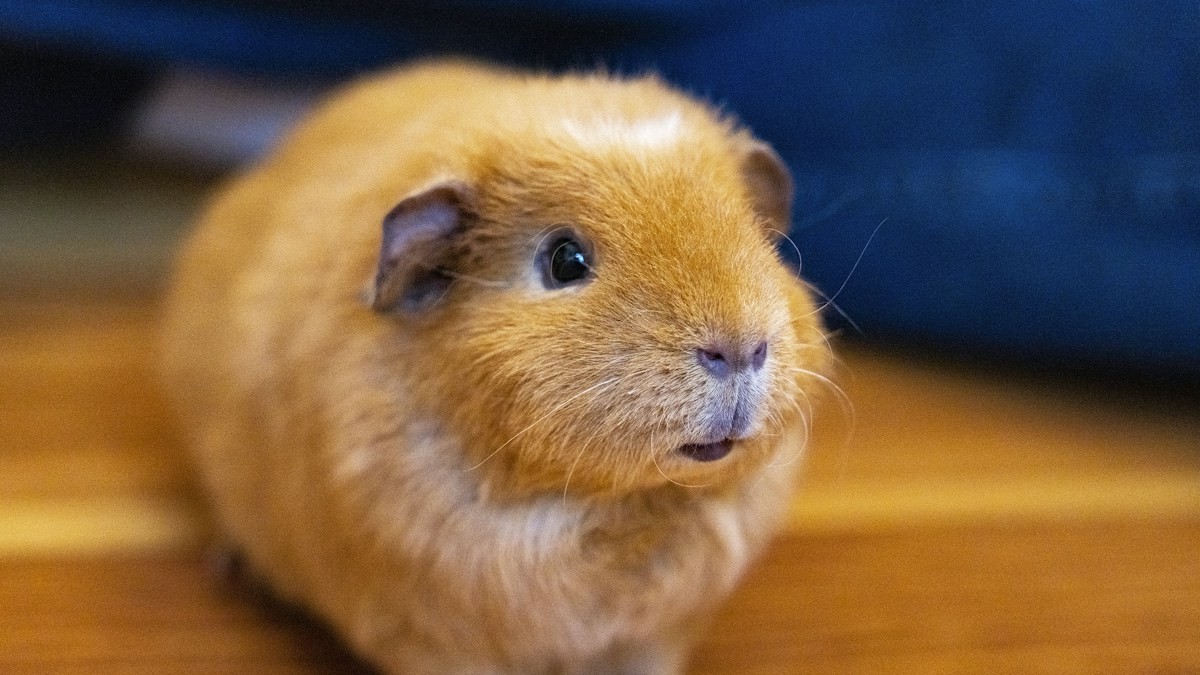
Commercial cages sold in retail pet superstores are notoriously inadequate for guinea pigs (*Cavia porcellus*). The average commercial cage provides less than 4 to 6 square feet of living space—a cramped footprint that severely constricts physical locomotion, accelerates muscle atrophy, and fosters chronic territorial disputes among herd mates. Recognizing these animal welfare shortcomings, exotic veterinarians and cavy rescue organizations overwhelmingly champion modular DIY C&C (Cube and Coroplast) enclosures as the international gold standard in humane guinea pig housing.
C&C cages utilize modular steel storage cubes (wire grids) secured with heavy-duty zip ties to construct a fully customized perimeter frame, lined with a durable, waterproof tray fabricated from fluted polypropylene plastic (Coroplast). This system allows pet parents to build cavernous, veterinary-approved habitats providing 10 to 15+ square feet of floor space at a fraction of the cost of commercial plastic habitats.
This comprehensive fabrication manual guides you step-by-step through designing and assembling diy c and c guinea pig cages. You will master grid mesh sizing safety rules, learn the precise geometric formulas for scoring and folding 6-inch waterproof Coroplast walls, and implement a reusable, dust-free fleece bedding system that eliminates expensive wood shaving purchases forever.
Grid Geometry and Spatial Welfare Minimums for Guinea Pigs
Understanding the mathematics of continuous living area for bonded pairs.
The 2×4 Grid Minimum Standard (10.5 Square Feet)
Unlike arboreal rodents such as rats or chinchillas, guinea pigs are strictly terrestrial ground-dwellers with heavy, fragile bodies and delicate foot pads prone to ulcerative pododermatitis (bumblefoot). They cannot climb wire walls or use running wheels; their sole outlet for physical exercise consists of sprinting flat-out laps and ‘popcorning’ across open continuous floor space.
The Humane Society of the United States and cavy welfare associations mandate an absolute minimum living space of 7.5 square feet for a single cavy, and at least 10.5 square feet (a 2×4 grid C&C configuration measuring approximately 28 by 56 inches) for a bonded pair. For three to four cavies, an expansive 2×5 or 2×6 grid footprint (13 to 16 square feet) is mandatory to prevent dominant harassment.
Grid Mesh Safety: The 9×9 Square Rule
When sourcing modular wire storage grids, verifying the internal mesh density is a life-or-death safety measure. Standard modular grids measure 14 inches by 14 inches (35cm x 35cm). Safe grids feature a 9×9 internal wire mesh configuration, creating individual opening squares measuring no larger than 1.38 inches (3.5 cm).
Cheaper storage grids manufactured with an 8×8 or 5×5 mesh have significantly larger square openings (1.75 to 2.5 inches). Baby guinea pigs and slender females can effortlessly push their heads through these wider openings, becoming trapped by the skull and suffering fatal neck strangulation. Always count the inner squares before assembling.
Coroplast Sheet Fabrication: Scoring, Cutting, and Corner Origami
How to create an indestructible, 100% waterproof waste containment basin.
Sourcing and Dimension Calculations
Coroplast is the commercial trade name for fluted corrugated polypropylene plastic sheet, widely available at local sign shops and home improvement warehouses in 4×8 foot sheets (4mm thickness). Fluted plastic is lightweight, chemically inert, non-toxic, and entirely impervious to urine saturation.
To calculate the raw Coroplast dimensions for a 2×4 grid cage (outer dimensions 28×56 inches), you must add 12 inches to both length and width to account for 6-inch containment walls on all four sides. Your raw cut sheet must measure 40 inches by 68 inches (28+12 and 56+12).
The Half-Depth Scoring Technique
Using a straight-edge metal ruler and a sharp utility knife, measure exactly 6 inches inward from all four outer edges and mark your fold lines. The crucial technical skill is ‘scoring’: apply moderate, controlled pressure to slice through only the top layer of plastic and the internal corrugated flutes, leaving the bottom exterior plastic membrane completely uncut.
Once scored, bend the 6-inch walls upward at a clean 90-degree angle. Cut 6-inch corner relief flaps, fold them snugly behind the adjacent wall, and secure the corners firmly using heavy-duty duct tape or industrial plastic rivets. This creates a seamless, leak-proof containment tub that prevents urine and loose debris from contacting your home flooring.
The Modern Fleece Bedding System: Wicking, Absorption, and Odor Control
Transitioning from dusty wood shavings to washable, eco-friendly textile pads.
The Molecular Physics of ‘Stripping’ Fleece
Traditional kiln-dried pine and paper shavings are costly, produce airborne respiratory dust, and require weekly landfill disposal. Modern C&C keepers utilize reusable fleece bedding systems consisting of a 100% polyester anti-pill fleece top sheet layered over an ultra-absorbent inner core.
Brand new polyester fleece is treated with chemical water-repellent coatings during manufacturing. Before use, the fleece must be ‘stripped’ by washing it 3 to 4 times in hot water with fragrance-free detergent and 1/2 cup of distilled white vinegar (zero fabric softener). Once stripped, the fleece acts as an instantaneous one-way liquid permeable membrane: urine passes straight through the top fleece into the absorbent core below, leaving the surface fleece touching the guinea pig’s feet bone dry within 60 seconds.
Absorbent Core Liners and Laundry Routine
Beneath the wicked fleece, position an absorbent layer such as 100% recycled cotton furniture pads (U-Haul denim moving blankets) or reusable hospital-grade incontinence underpads. These dense cotton cores trap and neutralize ammonia without off-gassing toxic chemicals.
Maintain cage cleanliness by sweeping stray hay and fecal pellets twice daily using a small hand broom. Every 4 to 6 days, remove the fleece liners, shake them out thoroughly outdoors, and machine wash in warm water with fragrance-free laundry detergent and vinegar. A single set of quality C&C fleece liners lasts over three years, saving hundreds of dollars.
C&C Enclosure Dimensions & Floor Space by Herd Size
| Herd Size | Grid Configuration | Dimensions (Inches) | Usable Floor Space | Welfare Status |
|---|---|---|---|---|
| 1 Guinea Pig (Quarantine) | 2×3 Grids | 28″ x 42″ | 7.5 sq ft (0.70 sq m) | Minimum for Temporary Stay |
| 2 Guinea Pigs (Bonded Pair) | 2×4 Grids | 28″ x 56″ | 10.5 sq ft (0.98 sq m) | Recommended Veterinary Standard |
| 3 Guinea Pigs (Trio) | 2×5 Grids | 28″ x 70″ | 13.0 sq ft (1.21 sq m) | Optimal Social Minimum |
| 4 Guinea Pigs (Small Herd) | 2×6 Grids | 28″ x 84″ | 16.0 sq ft (1.49 sq m) | Spacious Herd Baseline |
| Standard Pet Store Cage | Single Tub | 18″ x 36″ | 4.5 sq ft (0.42 sq m) | Inadequate / Cruel |
Recommended Further Reading & Authoritative References
To deepen your practical mastery of these concepts, explore our comprehensive analyses on interpreting guinea pig body language and social hierarchy cues and essential guinea pig vitamin C dietary dosing protocols. For official technical standards, peer-reviewed benchmarks, and industry guidelines, consult the Guineapigcages.com Official C&C Construction Architecture Guide.
Frequently Asked Questions
Can my cat or dog reach into an open-top C&C cage?
If you have predatory pets (dogs, cats, or young children) in the household, an open-top C&C cage is unsafe. You must construct a sturdy, hinged lid using extra grids supported by wooden dowels or metal shelving bars secured with cable ties.
How do I connect the grids if I run out of round plastic connectors?
Heavy-duty nylon cable ties (zip ties) are actually superior to plastic connectors! They pull the grids tighter, eliminate wobbly joints, and allow you to configure non-standard angles and overlapping custom footprints.
Why does my fleece smell like ammonia after just 2 days?
Premature ammonia odor indicates either: 1) the fleece was not properly stripped and urine is pooling on the surface instead of wicking through; or 2) the absorbent pad underneath is too thin. Add a secondary layer of U-Haul denim or washable incontinence pads.
Can I build an upper second-story loft for my guinea pigs?
Yes! A 1×2 or 2×2 grid loft adds fantastic enrichment. However, the access ramp must be wide (at least 6 inches), lined with traction carpet or Coroplast walls, and set at a very gentle slope (under 30 degrees) to prevent spinal strain and falls.