



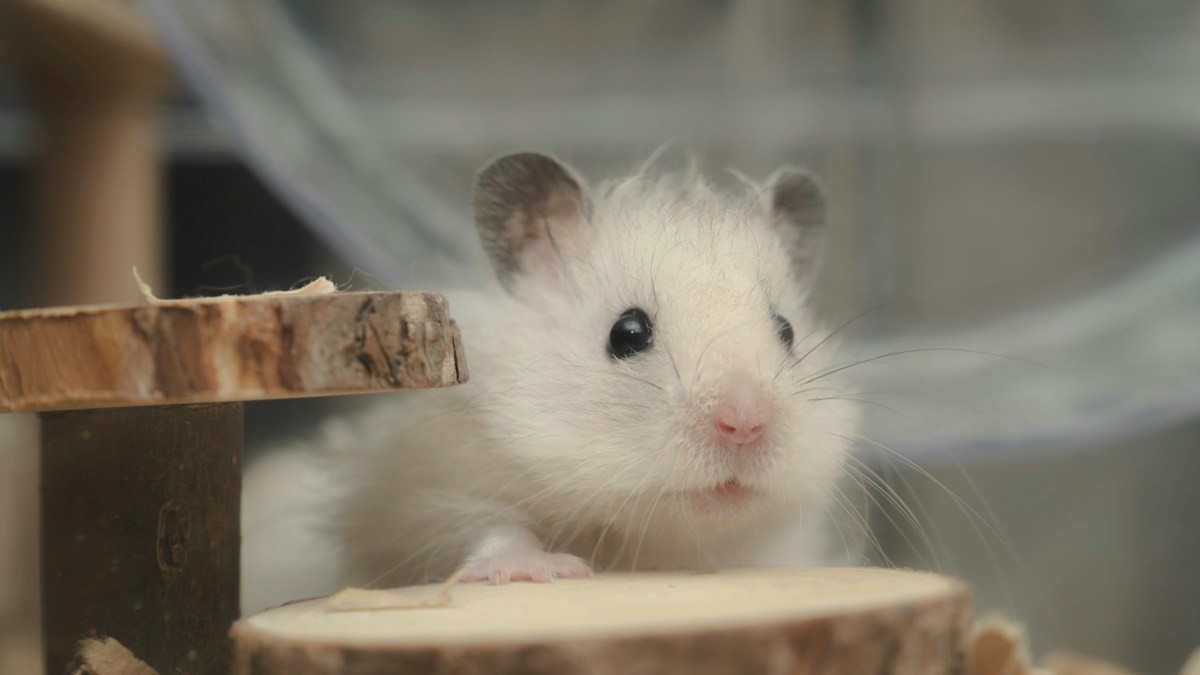
For all domestic rodents—including Syrian and dwarf hamsters, guinea pigs, gerbils, rats, and chinchillas—gnawing is not merely an entertaining recreational pastime; it is an unyielding anatomical imperative. Rodents are defined by their chisel-like, continuously growing front incisors, which feature enamel coated in hard orange iron pigment on the front face and softer dentin on the posterior face. Without continuous mechanical friction against dense, fibrous materials, these incisors grow relentlessly, curling back into the roof of the mouth or through the cheeks in horrific cases of dental malocclusion.
In an attempt to prevent dental overgrowth, pet owners frequently supply commercial wooden chew toys purchased from local stores. Unfortunately, many brightly colored wooden toys are manufactured with toxic chemical dyes, petroleum-based lacquers, or cheap composite glues. Furthermore, well-meaning owners who harvest fallen branches from their backyards often unwittingly expose their pets to lethal plant toxins, agricultural pesticide residues, wild bird parasite eggs, and fatal fungal spores.
This veterinary toxicology guide provides an exhaustive roadmap to safe wood chews small rodents require. We categorize safe vs. toxic tree species, examine the biochemical risks of cyanogenic glycosides and evergreen phenols, and deliver an exact thermal sanitization protocol that turns raw backyard orchard branches into sterile, pathogen-free dental enrichment.
Botanical Toxicology: Safe Tree Species vs Deadly Toxins
Distinguishing safe orchard hardwoods from lethal poisonous trees.
The Gold Standard: Pome Fruitwoods and Willows
The undisputed safest and most palatable wood for all small rodents is untreated apple (*Malus domestica*). Apple wood is dense, completely non-toxic, and possesses a sweet-scented inner cambium bark layer that hamsters and guinea pigs avidly strip and consume for fiber.
Other exceptional safe species include European pear (*Pyrus communis*), hazelnut (*Corylus*), weeping willow (*Salix babylonica*), and birch (*Betula*). Willow branches contain trace levels of natural salicin, providing mild anti-inflammatory and soothing benefits while engaging anxious rodents in hours of stripping and chewing.
Stone Fruit Toxicity: Cyanogenic Glycosides
Never offer branches, twigs, or bark from stone fruit trees (*Prunus* genus), including sweet cherry, sour cherry, plum, peach, nectarine, and apricot. The living wood, bark, and seeds of stone fruit trees contain high concentrations of cyanogenic glycosides (specifically amygdalin and prunasin).
When chewed and metabolized by rodent enzymes and intestinal microflora, these compounds hydrolyze directly into lethal hydrogen cyanide gas. Ingesting even small quantities of fresh cherry or peach twigs can cause acute cyanide poisoning, rapid respiratory failure, convulsions, and sudden death.
Evergreen Resins and Juglone Contamination
Why cedar, fresh pine, and walnut trees must be strictly avoided.
Resinous Evergreens: Pine and Cedar
Green, unseasoned pine, fir, spruce, and cedar branches are saturated with sticky aromatic oleoresins and volatile phenols. As discussed in respiratory bedding research, plicatic acid and terpenes cause direct caustic burns to rodent oral mucosa and induce hepatic enzyme toxicity.
The sole exception is commercially processed, kiln-dried white pine lumber that has undergone industrial high-heat baking to completely evaporate all aromatic resins and sap compounds. However, raw pine harvested from backyards is strictly prohibited.
The Chemical Weaponry of Black Walnut (*Juglans nigra*)
Black walnut and English walnut trees produce a powerful allelopathic chemical compound known as juglone (5-hydroxy-1,4-naphthoquinone). Juglone is a potent metabolic respiratory inhibitor that trees secrete to kill competing vegetation around their root systems.
In small rodents and equines, exposure to walnut wood or shavings induces severe acute respiratory distress, limb edema, ulcerative stomatitis, and systemic toxic shock. Never use any part of a walnut tree for animal enrichment.
Field Harvesting and Thermal Sterilization Protocols
Transforming raw outdoor branches into sterile, parasite-free chews.
Harvesting Guidelines: Pesticide and Roadway Safety
When sourcing branches from your own or a neighbor’s property, verify with 100% certainty that the tree has never been sprayed with chemical insecticides, systemic fungicides, or synthetic fertilizers within the last three years.
Never harvest branches from trees growing adjacent to busy motor roadways or industrial corridors, as tree bark acts as an environmental sponge, absorbing high levels of airborne lead, zinc, engine exhaust particulate, and motor oil runoff.
The 250°F (120°C) Oven Baking Decontamination Protocol
Raw outdoor branches harbor microscopic wild bird mites, roundworm parasite eggs, mold spores, and wood-boring beetle larvae. To sanitize raw branches safely without chemical bleaches, execute the following veterinary-approved heat protocol:
1) Cut branches into 12cm to 15cm lengths and scrub them thoroughly under hot running water with a stiff bristled brush to remove surface dirt and lichen. 2) Arrange the damp branches in a single layer on a foil-lined baking sheet. 3) Bake in a preheated kitchen oven at 250°F (120°C) for a full 2 to 2.5 hours. This sustained dry heat penetrates to the core of the wood, denaturing all viral and bacterial pathogens, desiccating insect eggs, and removing excess moisture to prevent future molding.
Comprehensive Arboreal Wood Safety Matrix for Rodents
| Tree Species | Safety Status | Key Active Compound | Palatability Rating | Preparation Required |
|---|---|---|---|---|
| Apple (*Malus*) | 100% Safe (Gold Standard) | Non-toxic cellulose & fiber | Extremely High | Wash & bake at 250°F for 2h |
| Willow (*Salix*) | 100% Safe & Soothing | Natural mild salicin | Very High | Wash & bake at 250°F for 2h |
| Hazelnut (*Corylus*) | 100% Safe | Hard fibrous bark | High | Wash & bake at 250°F for 2h |
| Stone Fruits (Cherry, Peach) | Lethal Poison | Cyanogenic glycosides (Cyanide) | Dangerous (Sweet sap) | STRICTLY PROHIBITED |
| Cedar / Fresh Pine | Toxic / Irritant | Plicatic acid & aromatic terpenes | Low | STRICTLY PROHIBITED |
| Black Walnut (*Juglans*) | Lethal Toxin | Juglone (Metabolic inhibitor) | Bitter | STRICTLY PROHIBITED |
| Kiln-Dried Pine Lumber | Safe (Building only) | Resins evaporated during kiln bake | Moderate | Use raw, untreated lumber only |
Recommended Further Reading & Authoritative References
To deepen your practical mastery of these concepts, explore our comprehensive analyses on safe bedding substrates and natural wooden habitat accessories and dental mechanics of continuous molar eruption and coarse fiber abrasion. For official technical standards, peer-reviewed benchmarks, and industry guidelines, consult the ASPCA Animal Poison Control Center: Comprehensive Plant Toxicity Database.
Comprehensive Husbandry Audit & Long-Term Management Protocols
Implementing these techniques successfully over extended periods requires continuous observation and systematic environmental auditing. Experienced caregivers recognize that baseline standards must be dynamically adapted to suit the unique physical health, temperament, and behavioral responses of each animal. By maintaining a structured weekly health and habitat observation log, you can identify subtle physiological shifts early, ensuring that your companion pet enjoys a sustained quality of life characterized by comfort, mental stimulation, and exceptional vitality.
Furthermore, maintaining strict adherence to validated veterinary guidelines prevents the subtle onset of chronic illness or psychological distress. Regularly verifying structural integrity, nutritional bioavailability, and hygienic thresholds safeguards your habitat against environmental hazards. When you invest the effort to design and maintain a meticulously curated living space, you establish an enduring standard of care that promotes thriving longevity and deep, enriching companion bonding.
Frequently Asked Questions
Can I give my guinea pig or hamster toilet paper cardboard rolls to chew?
Yes! Plain brown cardboard toilet paper rolls and paper towel tubes are completely safe and make fantastic free enrichment toys. Ensure there are no large globs of synthetic adhesive remaining on the exterior.
Why is my hamster ignoring all the wooden chews in his cage?
Commercial kiln-dried wooden blocks are often too hard, odorless, and unappealing. Try rubbing a fresh apple twig with a slice of fresh cucumber or bell pepper, or tucking pumpkin seeds into pre-drilled holes in the branch to stimulate gnawing interest.
Can small pets chew on loofah sponges?
Yes! 100% natural dried loofah is actually a member of the gourd family (*Luffa aegyptiaca*). Natural, undyed loofah provides a fantastic, fibrous chew texture that promotes gentle dental cleaning.
Are bamboo shoots or bamboo branches safe for guinea pigs?
True bamboo (*Bambusoideae*) is a non-toxic grass and safe in moderation. However, ‘Lucky Bamboo’ (*Dracaena sanderiana*) sold in home decor shops is NOT true bamboo; it is a member of the Asparagaceae family and is highly toxic to pets.