




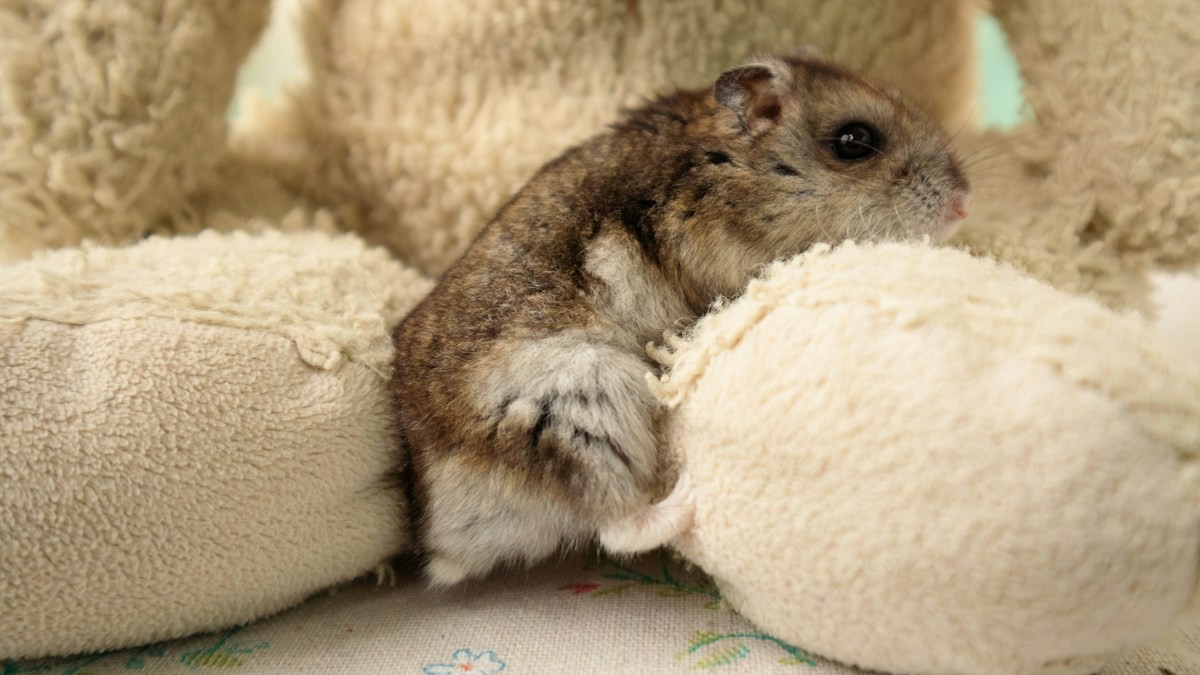
Observe a wild hamster, mouse, or gerbil at twilight, and you will witness an animal engaged in an intricate, hyper-focused behavioral ritual: navigating tall grassland stalks, using tiny forepaws to bend seed heads downward, meticulously shelling seed husks with razor-sharp incisors, and stuffing their cheek pouches until their cheeks bulge to three times their head width. This sequence represents millions of years of evolutionary wiring.
In captivity, standard bowl feeding short-circuits this entire behavioral chain. The animal simply ambles over to an open dish, swallows processed pellets in two minutes, and spends the remainder of the night seeking an outlet for its frustrated natural instincts. Natural foraging sprays—dried whole cereal grains and seed plants harvested with their natural stalks intact—are the single most transformative enrichment accessory you can add to a small pet habitat.
In this comprehensive botanical foraging guide, we explore safe foraging sprays for small mammals. You will learn the nutritional differences between flax, yellow millet, red millet, and oat sprays, discover how to freeze and prepare sprays to eliminate agricultural pests, and master botanical landscaping techniques that turn your pet’s enclosure into an authentic foraging savannah.
The Evolutionary Psychology of Whole-Plant Foraging
Harvesting seeds from an intact vertical plant engages a pet’s motor dexterity, problem-solving cognition, and instinctive cheek-pouching.
De-Husking and Forepaw Dexterity
Unlike loose commercial seed mixes where grains are already detached, sprays require active physical work. A hamster must stand on its hind legs, anchor the plant stalk with one paw, manipulate the seed pod with the other, and crack the protective husk using its teeth.
This complex physical puzzle burns mental energy, satisfies instinctual foraging drives, and provides natural tactile enrichment that prevents cage boredom.
Natural Overhead Shelter and Security
Small mammals are prey animals that dread open, exposed airspace. Arranging dense clusters of tall oat and sorghum sprays creates a natural botanical canopy.
Pets feel shielded from predatory gaze, encouraging nervous or shy animals to venture out from their underground burrows and explore the surface during early evening hours.
The Big Four Foraging Sprays Decoded
Each botanical spray species offers unique nutritional profiles and harvesting challenges.
1. Golden Flax Sprays: The Coat-Health Powerhouse
Flax sprays consist of delicate, globe-shaped seed pods containing shiny brown linseeds. Flax is exceptionally rich in essential Omega-3 and Omega-6 fatty acids.
Hamsters are obsessed with popping open the dry pods to extract the tiny seeds. Regular flax consumption produces a dense, glossy, incredibly soft pelt, making it especially beneficial during seasonal coat molting.
2. Yellow and Red Spray Millet
Millet sprays are the most accessible, beloved grain for virtually all small rodents and birds. Yellow millet is soft and easily plucked, making it perfect for elderly or recovering pets.
Red millet is firmer and denser, requiring more physical effort to detach. Because millet is predominantly complex carbohydrate starch, it provides sustained energy without excessive dietary fat.
3. Oat Sprays and Green Wheat
Oat sprays feature large, fibrous paper-like husks protecting sweet oat groats inside. Chewing through the tough outer husks provides exceptional mechanical friction for molar grinding.
High crude fiber content supports gut motility and mimics wild grain harvesting.
Safety Protocols: Freezing and Pest Elimination
Because agricultural sprays are natural harvested crops, proper quarantine prevents introducing grain weevils or pantry moths into your home.
The 72-Hour Deep Freeze Quarantine
Never place newly purchased commercial sprays directly into your pet’s enclosure. Wild grain crops frequently harbor microscopic, harmless grain mites, weevil larvae, or moth eggs.
Place your spray packages inside a sealed ziplock freezer bag and store them inside your home freezer for at least 72 hours (preferably 5 to 7 days). Sub-zero temperatures completely neutralize all insect eggs and dormant larvae.
Zoning and Replacement Cadence
Push the sturdy stems of sprays 3 to 4 inches deep into your compressed bedding to anchor them upright like miniature trees. Cluster different varieties together in a designated ‘Foraging Forest’ zone near the sand bath.
Leave stripped stems in the cage for a few days: hamsters often bite down the empty fibrous stalks and drag them into their underground chambers as structural nest-building insulation.

Natural Foraging Sprays Nutritional Profile & Harvesting Behavior
| Foraging Spray Species | Primary Seed Grain | Nutritional Fat & Protein Profile | Harvesting Difficulty | Behavioral Enrichment Role |
|---|---|---|---|---|
| Flax Sprays (Linseed) | Tiny oil-rich flax seeds | High Omega-3 fatty acids & protein | High (Paws de-husk seed pods) | Promotes glossy coat & intense dexterity |
| Yellow Spray Millet | Millet grains along central stem | Low fat, high carbohydrate starch | Low (Easily plucked directly) | Universal favorite; gentle for nervous pets |
| Red Spray Millet | Dense, tight red millet clusters | Moderate protein, balanced starch | Moderate (Requires gnawing stem) | Vibrant visual aesthetics & longer harvesting |
| Oat Sprays (Green/Golden) | Hulled oat groats | High crude fiber, balanced energy | High (Requires peeling outer husk) | Dental wear & natural chewing workout |
| Sorghum / Dari Sprays | Large round starchy seeds | High complex carbohydrate | Moderate (Firm seed attachment) | Encourages pouch-stuffing & seed transport |
Recommended Further Reading & Authoritative References
To deepen your understanding of these systems, review our companion analysis on Low-Cost DIY Boredom Breakers and DIY Naturalistic Hamster Enclosures. For official technical specifications and industry standards, consult the BioRxiv Small Mammal Foraging Ecology Research.
Preventative Health Protocols & Environmental Quality Standards
Maintaining optimal wellbeing when implementing Safe Foraging Sprays requires consistent observation and strict environmental quality control. Small animals and aquatic species possess sensitive respiratory and metabolic systems that react rapidly to subtle micro-environmental shifts.
Establish a regular sanitation schedule using only pet-safe, non-toxic cleaning agents free from volatile synthetic fragrances. For aquatic habitats, conduct weekly multi-parameter water tests measuring ammonia, nitrite, and nitrate levels to preserve established biological filtration.
Conduct daily behavioral evaluations during feeding routines. Early identification of appetite variations, altered posture, or changes in grooming habits enables immediate, low-stress interventions before minor concerns develop into urgent veterinary conditions.
Comprehensive Husbandry Audit & Long-Term Management Protocols
Implementing these techniques successfully over extended periods requires continuous observation and systematic environmental auditing. Experienced caregivers recognize that baseline standards must be dynamically adapted to suit the unique physical health, temperament, and behavioral responses of each animal. By maintaining a structured weekly health and habitat observation log, you can identify subtle physiological shifts early, ensuring that your companion pet enjoys a sustained quality of life characterized by comfort, mental stimulation, and exceptional vitality.
Furthermore, maintaining strict adherence to validated veterinary guidelines prevents the subtle onset of chronic illness or psychological distress. Regularly verifying structural integrity, nutritional bioavailability, and hygienic thresholds safeguards your habitat against environmental hazards. When you invest the effort to design and maintain a meticulously curated living space, you establish an enduring standard of care that promotes thriving longevity and deep, enriching companion bonding.
Frequently Asked Questions
Can guinea pigs eat seed sprays like millet and flax?
No! Guinea pigs are strict folivores (leaf/grass eaters). Seeds and whole grains are dangerous choking hazards for guinea pigs and can cause fatal cecal impactions. For guinea pigs, use dried botanical herbs instead: dried dandelion, marigold flowers, chamomile, and orchard grass seed heads.
Are commercial bird spray millets safe for hamsters?
Yes! Standard spray millet sold in the avian pet aisle is 100% natural dried millet and is identical to expensive boutique hamster sprays. Just ensure you freeze it for 72 hours before use.
What other dried plants make safe enclosure botanicals?
Other safe botanicals include dried sorghum heads, amaranth sprays, Canary grass, black sorghum, dried cornflower petals, red clover flowers, and dried nettle leaves.
Why does my hamster harvest all the spray seeds in one single hour?
This is completely normal wild behavior! Hamsters are instinctual hoarders (the German word ‘hamstern’ literally means ‘to hoard’). Your hamster will harvest every seed, stuff its pouches, and transport them to its underground food pantry to eat peacefully in the dark.