



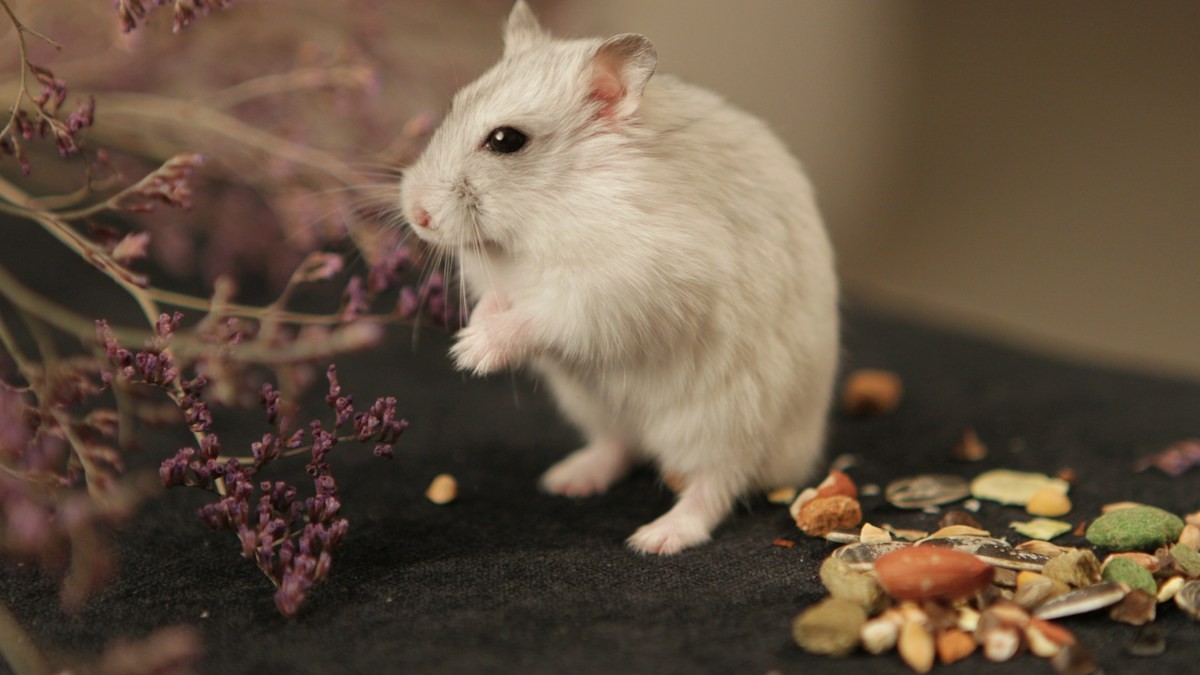
In natural steppe, semi-desert, and savanna ecosystems, hamsters are master subterranean engineers. Species like the Syrian (*Mesocricetus auratus*) and European hamster (*Cricetus cricetus*) construct complex architectural burrows descending over one meter underground, featuring dedicated food storage vaults, sleeping chambers, and latrines supported by compressed geological soil matrices. In domestic care, hamsters retain an intense, instinctual drive to dig and excavate intricate tunnel networks.
Unfortunately, the overwhelming majority of commercial rodent beddings marketed in pet stores fail completely to support stable tunneling. Loose wood shavings or fluffy cotton fibers either collapse instantaneously when burrowed into, or pose catastrophic ingestion and strangulation risks. When burrow ceilings collapse repeatedly, hamsters suffer chronic frustration, behavioral stereotypic pacing, and elevated baseline cortisol.
This veterinary small-animal guide provides a rigorous analysis of hamster burrowing substrates. We examine the chemistry of safe plant fibers, expose the systemic respiratory and hepatic toxicity of softwood phenols, outline the physics of substrate density testing, and demonstrate the exact stratification protocols required to build permanent, collapse-proof burrow systems.
Softwood Phenol Toxicity: Why Cedar and Fresh Pine Are Fatal
The physiological mechanism of aromatic plicatic acid on rodent respiratory systems.
Aromatic Phenols and Hepatic Enzyme Disruption
Cedar and fresh, non-kiln-dried pine shavings have historically been sold as cheap pet bedding because their pungent evergreen aroma masks cage odors. However, this pleasant scent is produced by volatile aromatic hydrocarbons—specifically plicatic acid and abietic acid.
When inhaled continuously in the enclosed confines of a cage, these caustic phenols chemically burn the delicate ciliated epithelial cells lining the hamster’s trachea and lungs. Controlled veterinary toxicology studies prove that prolonged exposure significantly alters hepatic cytochrome P-450 microsomal enzymes, severely compromising the rodent’s liver function and predisposing them to fatal secondary respiratory infections.
The Aspen Exception: Kiln-Dried Hardwood Safety
Unlike cedar and pine, aspen (*Populus tremuloides*) is a deciduous hardwood that naturally contains virtually zero aromatic aromatic phenols. High-quality, dust-extracted, kiln-dried aspen shavings provide an exceptionally safe, economical, and natural burrowing medium that does not irritate sensitive mucous membranes.
Caretakers should ensure that aspen shavings are labeled ‘dust-extracted’ or screen them through a fine wire mesh to remove microscopic wood flour before adding them to the habitat.
Substrate Density Physics: The Paper Pulp and Hay Matrix
How to achieve the compressive strength required to hold subterranean tunnels.
Virgin Paper Pulp: Absorbency and Flexibility
High-density, unbleached, unscented virgin paper pulp bedding (such as Kaytee Clean & Cozy or Carefresh Natural) serves as the modern gold standard base for burrowing. High-quality paper pulp expands significantly, possesses extraordinary capillary absorbency for moisture, and creates soft, insulating nest cavities.
However, paper bedding alone can sometimes lack tensile strength over wide spans. As the hamster digs an extended horizontal tunnel, the ceiling of pure paper can slowly sag under its own weight if not properly supported by fibrous structural binders.
The ‘Lasagna’ Layering Technique with Hay
To engineer indestructible underground burrows, experienced caretakers employ the ‘lasagna layering method.’ Begin by compressing 8 to 10 centimeters of paper bedding firmly against the bottom of the enclosure. Next, spread a 3-centimeter layer of long-strand, soft orchard grass or botanical hay across the surface, followed by another compressed layer of paper or aspen.
The long, interlocking cellulose stalks of the hay function exactly like rebar in reinforced concrete. When the hamster excavates its burrows, the interwoven hay strands bridge across the tunnel ceiling, allowing structural tunnels to remain intact indefinitely without collapsing.
Dangerous Bedding Materials to Strictly Avoid
Identifying commercial substrates that cause fatal bowel impaction and limb amputation.
The Lethal Hazard of Fluffy ‘Cotton / Kapok’ Bedding
Perhaps the most dangerous product sold in commercial pet stores is ‘fluffy bedding’ or synthetic cotton nesting wool. These materials consist of long, indestructible synthetic or natural kapok fibers that the hamster cannot digest or break down.
When hamsters pouch these fibers to transport them to their nest, the strands frequently wrap tightly around teeth, limbs, or toes, cutting off blood circulation and requiring surgical amputation. If swallowed, the indigestible fibers ball up in the stomach or cecum, causing agonizing, fatal mechanical intestinal blockages.
Scented Bedding and Sawdust Flour Dangers
Any bedding marketed with artificial perfumes (such as floral, lavender, or fruit aromas) must be completely rejected. Artificially scented beddings cause sensory overload, nasal ulcerations, and allergic dermatitis.
Similarly, fine carpentry sawdust—often sourced from untreated lumber workshops—contains microscopic airborne dust particles that quickly induce acute conjunctivitis and bacterial sinusitis. Always purchase purpose-manufactured, laboratory-grade animal bedding.
Comprehensive Small Rodent Bedding Safety Matrix
| Bedding Material | Tunnel Stability | Absorbency Level | Toxicity / Health Risk | Veterinary Recommendation |
|---|---|---|---|---|
| Virgin Paper Pulp (Unscented) | Excellent (When compressed) | Very High (4x weight) | Zero (Non-toxic) | Gold Standard (Highly Recommended) |
| Kiln-Dried Aspen Shavings | Moderate to Good | Moderate | Zero (Phenol-free hardwood) | Safe & Natural Choice |
| Paper + Orchard Hay Mix | Superior (Reinforced) | Very High | Zero (Maximum enrichment) | Optimal Burrowing Matrix |
| Cedar Shavings | Poor | Low to Moderate | Lethal (Plicatic acid phenols) | Strictly Prohibited |
| Fresh Pine Shavings | Poor | Moderate | High (Aromatic resin toxicity) | Unsafe Unless Kiln-Dried |
| Synthetic Fluffy Cotton | N/A (Nesting only) | Low | Lethal (Limb strangulation / stasis) | Extremely Hazardous |
Recommended Further Reading & Authoritative References
To deepen your practical mastery of these concepts, explore our comprehensive analyses on spacious hamster enclosure floor space and habitat depth minimums and safe sand bath containers and dust-free grooming protocols. For official technical standards, peer-reviewed benchmarks, and industry guidelines, consult the Journal of Physiology & Behavior: Burrowing Behavior and Welfare in Hamsters.
Comprehensive Husbandry Audit & Long-Term Management Protocols
Implementing these techniques successfully over extended periods requires continuous observation and systematic environmental auditing. Experienced caregivers recognize that baseline standards must be dynamically adapted to suit the unique physical health, temperament, and behavioral responses of each animal. By maintaining a structured weekly health and habitat observation log, you can identify subtle physiological shifts early, ensuring that your companion pet enjoys a sustained quality of life characterized by comfort, mental stimulation, and exceptional vitality.
Furthermore, maintaining strict adherence to validated veterinary guidelines prevents the subtle onset of chronic illness or psychological distress. Regularly verifying structural integrity, nutritional bioavailability, and hygienic thresholds safeguards your habitat against environmental hazards. When you invest the effort to design and maintain a meticulously curated living space, you establish an enduring standard of care that promotes thriving longevity and deep, enriching companion bonding.
Frequently Asked Questions
How many centimeters of bedding should I provide for my hamster?
Provide an absolute minimum of 20cm (8 inches) for dwarf hamsters, and 25cm to 30cm (10 to 12 inches) for Syrian hamsters. Deeper bedding directly correlates with lower stress levels and fewer stereotypic cage behaviors.
Can I use shredded printer paper or office documents as bedding?
Standard copy paper has sharp, rigid edges that can cause painful paper cuts on delicate rodent footpads and eye corneas. Furthermore, commercial inks and toners contain chemical solvents and heavy metals. Use only dedicated unprinted paper bedding.
How often do I need to dump out all the bedding and replace it?
Never dump out all the bedding at once! In a properly sized habitat with 25cm+ of bedding, perform daily spot-cleaning of the soiled toilet corner, and do a partial clean (replacing only 1/3 of the bedding) every 6 to 8 weeks. Total cleanouts destroy familiar scent trails and cause extreme stress.
Why does my hamster keep chewing on cardboard tubes instead of digging?
Hamsters chew cardboard to wear down continuously growing incisors and harvest paper fibers to line their inner sleeping nest. Ensure the bedding is firmly compressed; if it is too loose, the hamster cannot dig without tunnels collapsing.