



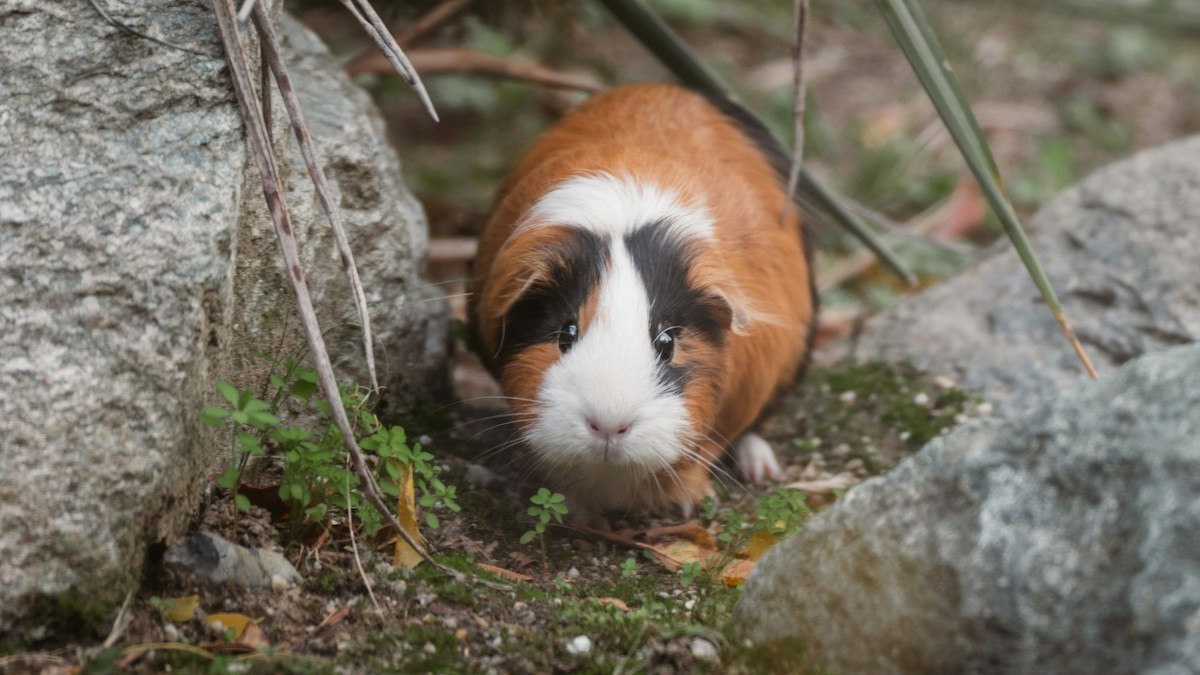
Unlike hamsters, mice, or rabbits, which communicate largely in the ultrasonic spectrum or rely predominantly on silent scent cues, guinea pigs (*Cavia porcellus*) are extraordinarily vocal creatures. Anyone who has lived with guinea pigs knows the comical, ear-piercing chorus that erupts the precise millisecond a refrigerator door opens or a plastic salad bag crinkles: a soaring, urgent whistle known around the world as ‘wheeking’.
However, wheeking is merely one single note in a vast acoustic symphony. Guinea pigs evolved in social wild herds where acoustic communication was vital for coordinating grazing, warning of aerial birds of prey, establishing social hierarchy, and bonding mothers with pups. In captivity, a guinea pig’s chirps, purrs, growls, and teeth chatters provide a direct, real-time window into their emotional state.
Misinterpreting these vocalizations can lead to stressful handling errors or allow escalating aggression between cage-mates to culminate in violent bites. In this comprehensive animal behavior masterclass, we decode the complete acoustic dictionary of guinea pig vocalizations and body language. You will learn to distinguish loving purrs from irritated purrs, understand dominance rumblestrutting, and recognize when teeth chattering signals an imminent brawl.
The Food Anthem: Deconstructing the ‘Wheek’
Wheeking is one of the only animal vocalizations developed almost entirely for cross-species communication with human caretakers.
The Origin of the Domestic Wheek
Wild cavies rarely wheek because emitting loud, high-pitched whistles in open grassland invites predatory owls and foxes. In domestic settings, guinea pigs quickly learn that human beings control the supply of fresh Timothy hay, cucumbers, and sweet bell peppers.
Through associative conditioning, guinea pigs deploy this urgent, escalating whistle to demand food service whenever they hear footsteps entering the kitchen.
Wheeking as Pure Excitement
Wheeking is frequently accompanied by ‘popcorning’—an adorable behavior where young guinea pigs suddenly leap straight into the air, kick their hind legs sideways, and shake their heads in pure, unadulterated joy.
Popcorning combined with enthusiastic wheeking is the definitive benchmark of a happy, emotionally thriving cavy.
The Complexities of Purring: Contentment vs. Annoyance
Similar to domestic cats, guinea pigs purr; however, acoustic pitch and body posture dictate whether the purr signals joy or rising fury.
The Low, Warm Contentment Purr
When a guinea pig is resting comfortably on your lap during floor time, feeling secure under gentle forehead strokes, it emits a low, deep, rhythmic purring vibration. Its body will soften, flattening out like a furry pancake with legs stretched out behind (‘the sploot’).
This sound indicates complete emotional relaxation and trust.
The Short, Staccato Annoyance Purr (‘The Chutt’)
If you stroke a guinea pig’s lower back or rump (a sensitive zone where dominance and personal boundaries lie), you will hear a sharp, clipped, higher-pitched purr accompanied by an abrupt stiffening of the body. Some owners mistake this for affection, but it is an unmistakable cavy message: ‘Stop touching me there; I do not like that.’
Respect their boundaries and return to gentle chin and forehead scratches.
Dominance, Hierarchy, and Warnings: Rumblestrutting and Teeth Chattering
Living in bonded herds requires establishing a stable pecking order through ritualized acoustic and physical displays.
The Rumblestrut: Social Hierarchy in Motion
Rumblestrutting consists of a low, vibrating throaty drone (‘brrr-brrr’) accompanied by a stiff-legged, exaggerated side-to-side swinging of the hips. Both boars (males) and sows (females) rumblestrut to establish dominance, display territorial authority, or court a romantic partner.
Unless rumblestrutting escalates into chasing and biting, owners should never separate rumblestrutting pigs; allowing them to work out their hierarchy naturally is essential for long-term bonding.
Teeth Chattering: The Ultimate Red-Alert Warning
Teeth chattering is a rapid, harsh clicking or clacking sound produced by vibrating upper and lower incisors together, often accompanied by raised heads, bared teeth, and raised neck hackles. This is a severe threat display that translates to: ‘Back off immediately, or I will bite!’
If two guinea pigs begin furiously chattering teeth face-to-face, they are seconds away from a violent physical tornado fight. Never separate fighting guinea pigs with bare hands (you will suffer a severe bite); toss a thick towel over them to safely break the conflict.
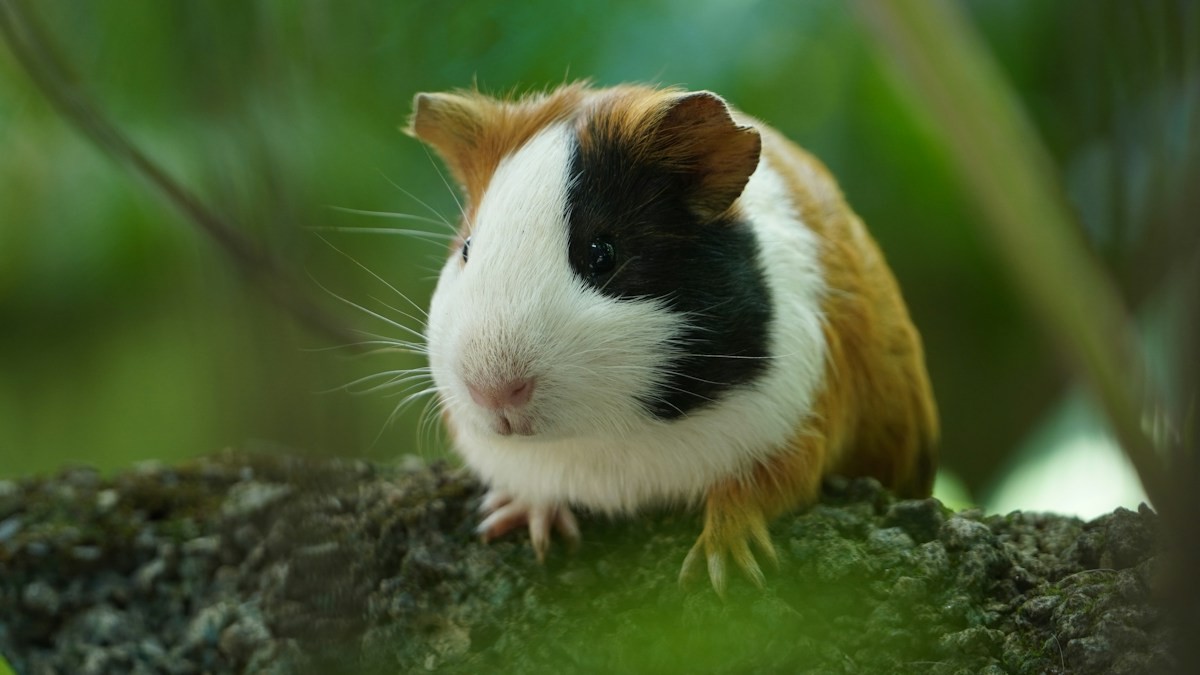
Guinea Pig Vocalization & Body Language Decoding Guide
| Vocal Sound / Display | Acoustic Tone & Pitch | Associated Body Posture | Underlying Emotional Meaning | Recommended Owner Response |
|---|---|---|---|---|
| Wheeking (Week-Week!) | High-pitched, loud repetitive whistle | Standing on hind legs, head tilted high | Extreme excitement, demanding food/treats | Reward with fresh bell pepper or Timothy hay |
| Deep Purring (Content) | Low-frequency, rhythmic vibration | Relaxed pancake sprawl, soft eyes | Deep contentment, safety, relaxation | Continue gentle chin and forehead strokes |
| Short Purring / Chutting | Abrupt, stiff vibration | Rigid freeze posture, wide eyes | Annoyance, startle, sensory irritation | Identify and remove irritating sound or touch |
| Teeth Chattering | Rapid, sharp clicking / clacking | Tense posture, raised head, bared teeth | Severe warning: ‘Back off before I bite!’ | Cease handling immediately; separate fighting pigs |
| Rumblestrutting (Brrr) | Low vibrating drone accompanied by hip sway | Slow, stiff-legged side-to-side waddle | Dominance display, territorial hierarchy, courting | Normal social sorting; observe without intervening |
| Bird-Like Chirping | Rhythmic, high-frequency avian trill | Trance-like hypnotic staring | Rare, poorly understood; possible stress/awe | Check environment; speak softly to ground the pig |
Recommended Further Reading & Authoritative References
To deepen your understanding of these systems, review our companion analysis on Ultimate Guinea Pig Diet Guide and Vitamin C Deficiencies in Guinea Pigs. For official technical specifications and industry standards, consult the Humane Society of the United States Guinea Pig Behavior Guide.
Preventative Health Protocols & Environmental Quality Standards
Maintaining optimal wellbeing when implementing Understanding Guinea Pig Vocalizations requires consistent observation and strict environmental quality control. Small animals and aquatic species possess sensitive respiratory and metabolic systems that react rapidly to subtle micro-environmental shifts.
Establish a regular sanitation schedule using only pet-safe, non-toxic cleaning agents free from volatile synthetic fragrances. For aquatic habitats, conduct weekly multi-parameter water tests measuring ammonia, nitrite, and nitrate levels to preserve established biological filtration.
Conduct daily behavioral evaluations during feeding routines. Early identification of appetite variations, altered posture, or changes in grooming habits enables immediate, low-stress interventions before minor concerns develop into urgent veterinary conditions.
Comprehensive Habitat Maintenance & Long-Term Animal Welfare Protocols
Providing exceptional long-term care for domestic companion animals and delicate aquatic species requires attentive behavioral observation, strict environmental sanitation, and consistent habitat auditing. Experienced veterinarians and aquatic specialists emphasize that baseline husbandry parameters—including ambient enclosure temperatures, dietary balances, and water chemistry parameters—must be diligently monitored across seasonal shifts. By maintaining a disciplined cleaning schedule and enriching living environments with species-appropriate stimuli, pet guardians establish an enduring home that nurtures vibrant vitality and stress-free longevity.
Furthermore, maintaining strict adherence to validated preventive care routines shields companion pets from insidious metabolic deficiencies, opportunistic bacterial infections, and environmental distress. Regularly inspecting filtration impellers, substrate hygiene, and enclosure safety seals preserves your home sanctuary against common husbandry pitfalls. When you invest the effort to deeply understand and respect each species’ distinct biological requirements, you foster a joyful, enduring companionship characterized by optimum health and mutual trust.
Frequently Asked Questions
Why does my guinea pig freeze like a statue when it hears a loud noise?
Freezing is an evolutionary anti-predator defense mechanism. In the wild, birds of prey hunt via movement detection; a frozen cavy hopes to blend seamlessly into the grassland and escape visual detection.
What does a high-pitched frantic shriek or scream mean?
A high-pitched shriek indicates acute physical pain, severe entrapment, or terror. Investigate immediately: check if a paw is caught in a hay rack or if another animal is attacking.
Can a guinea pig be kept alone without other guinea pigs?
In countries like Switzerland, it is illegal to keep a solitary guinea pig because they are obligate herd animals that suffer severe depression, immune suppression, and shortened lifespans without a bonded companion. Always keep guinea pigs in bonded pairs or trios.
Why do guinea pigs sniff and lick your fingers during lap time?
Licking is a sign of social grooming, affection, and bonding. It indicates that your pet recognizes your scent, feels safe in your presence, and considers you part of its trusted herd.