




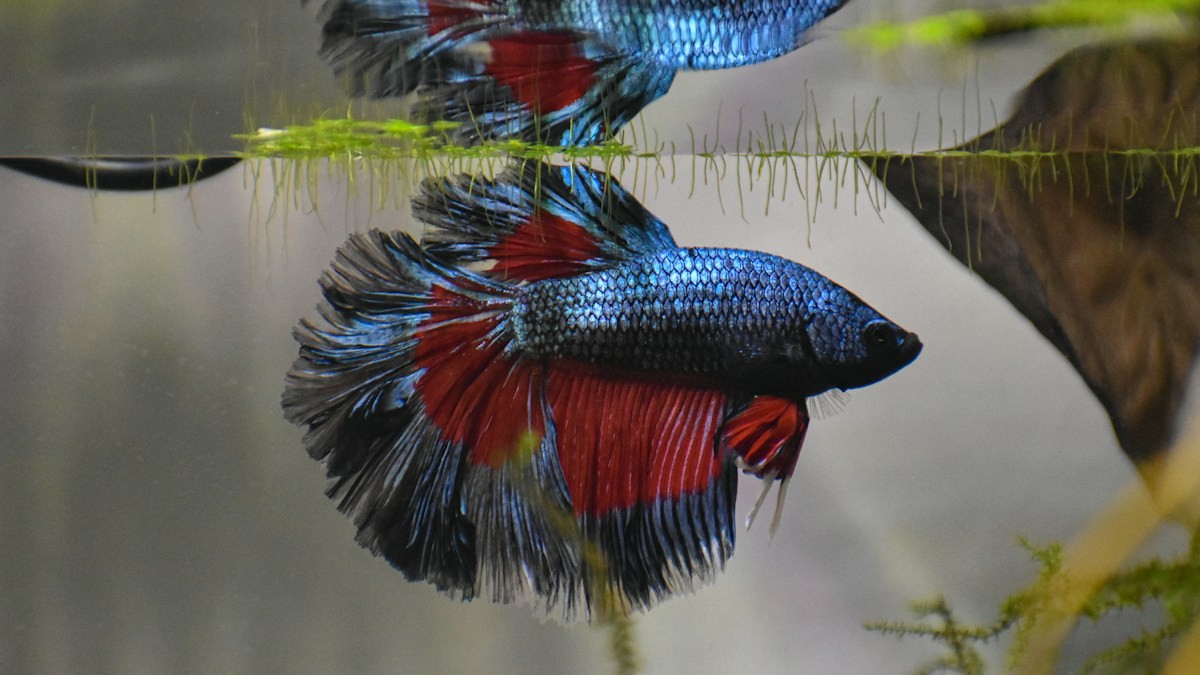
In commercial retail outlets, betta aquariums are frequently decorated with vividly colored neon plastic castles and stiff artificial plants. Unfortunately, rigid plastic plants represent one of the leading causes of traumatic fin tearing, tail rot, and chronic stress in domestic long-finned bettas (*Betta splendens*). With delicate, gossamer caudal and ventral fins that tear easily on sharp synthetic edges, bettas require gentle, organic aquatic environments that replicate their ancestral habitats.
Introducing live botanical vegetation fundamentally transforms a sterile glass tank into a thriving, self-regulating biological ecosystem. Live aquatic plants actively absorb dissolved toxic ammonia and nitrates as fertilizer, compete aggressively against unsightly algae, produce continuous dissolved oxygen during photosynthetic hours, and supply safe resting hammocks near the water surface where labyrinth breathers rest.
Fortunately, establishing a luxuriant planted aquarium does not require pressurized carbon dioxide injection, specialized high-intensity lighting, or messy aquatic soils. This practical aquascaping manual reviews the top low-tech live plants betta tanks thrive with, detailing rhizome mounting techniques, floating canopy management, and balanced nutrient routines.
The Biological Advantages of Live Aquatic Flora in Betta Habitats
Why aquatic plants are the ultimate companion filtration system.
Preferential Ammonium (NH4+) Uptake
While conventional aquarium filters rely on beneficial nitrifying bacteria to oxidize toxic ammonia into nitrite and subsequently nitrate, most aquatic macrophytes preferentially consume nitrogen in the form of ammonium (NH4+) rather than nitrate. By absorbing raw waste ions directly through their leaves before bacterial nitrification occurs, live plants prevent dangerous ammonia spikes.
Furthermore, rapid vegetative growth creates a dynamic bio-sponge that sequesters heavy metals and excess phosphates, maintaining crystal-clear water and out-competing nuisance cyanobacteria and green hair algae.
Labyrinth Breathing Support and Sleep Hammocks
Unlike typical fish that rely exclusively on branchial gill respiration, bettas possess a vascularized labyrinth organ requiring them to periodically breathe atmospheric air at the water surface. Long-finned varieties (such as Halfmoons and Rosetails) carry substantial fin weight and exhaust themselves swimming up and down tall water columns.
Broad-leafed aquatic plants like *Anubias barteri* provide ideal physical resting platforms positioned two to three inches below the water line. The betta can lounge comfortably on the broad leaf while effortlessly extending its mouth to the surface for air, dramatically lowering stress and caloric expenditure.
The Premier Low-Tech Plant Species for Betta Tanks
Indestructible species that thrive in standard low-light, ambient setups.
Anubias (*Anubias barteri* and *Anubias nana*)
Anubias species are arguably the hardiest aquatic plants available to hobbyists. Possessing thick, waxy, indestructible dark green foliage, Anubias flourishes in low-light conditions (10-15 PAR) that would starve demanding stem plants. Herbivorous snails and bettas leave the tough fibrous leaves entirely untouched.
The cardinal rule of Anubias husbandry is that its fleshy horizontal stem—known as the rhizome—must never be buried beneath the substrate. Burying the rhizome suffocates the plant’s vascular tissue, causing systemic rot. Instead, affix the plant to porous driftwood or rock using liquid cyanoacrylate aquarium gel (super glue) or dark cotton thread.
Java Fern (*Microsorum pteropus*)
Originating from tropical Southeast Asia alongside wild bettas, Java Fern features long, graceful, textured fronds that create striking midground and background curtains. Like Anubias, Java Fern is a true epiphyte that absorbs nutrients directly from the water column through its fine root network and must be anchored to hardscape rather than buried in gravel.
Java Fern propagates prolifically in low-tech setups, producing tiny adventitious plantlets along the margins of mature leaves that can be plucked and affixed elsewhere in the aquarium.
Floating Plants: The Natural Thai Canopy
Providing shade, root filtration, and bubble nest scaffolding.
Amazon Frogbit (*Limnobium laevigatum*) and Water Lettuce
In their natural native habitats, bettas live beneath dense canopies of floating marsh vegetation. Incorporating floating species like Amazon Frogbit or Dwarf Water Lettuce replicates this dappled, sheltered lighting, significantly reducing skittish stress behaviors and encouraging male bettas to construct elaborate bubble nests.
The trailing, feathery roots of floating plants suspend directly into the upper water column, creating an intricate underwater forest that bettas love to weave through. These hanging root systems act as hyper-efficient nutrient filters that scrub nitrates faster than almost any rooted substrate plant.
Surface Agitation and Maintenance Rules
Floating plants require gentle water movement and struggle under turbulent power filters that splash water over the tops of their leaves. Pair them with gentle sponge filters or use a floating airline tubing ring to corral the plants in one quadrant of the tank.
Thin out floating vegetative mats every two weeks during regular maintenance to ensure ambient atmospheric air can circulate freely across the surface for the betta’s labyrinth organ.
Top Low-Tech Betta Plants: Specifications & Care Matrix
| Plant Species | Placement Zone | Planting Method | Lighting Requirement | Growth Rate |
|---|---|---|---|---|
| Anubias barteri / nana | Midground / Foreground | Glue / Tie to Hardscape (No Burying) | Low (6-8 hrs ambient) | Very Slow |
| Java Fern (Microsorum) | Midground / Background | Glue / Tie to Hardscape (No Burying) | Low to Moderate | Slow to Moderate |
| Amazon Frogbit | Water Surface | Free Floating on Surface | Moderate (LED overhead) | Fast (High nutrient uptake) |
| Cryptocoryne wendtii | Foreground / Midground | Root in Substrate with Root Tab | Low to Moderate | Moderate |
| Java Moss (Taxiphyllum) | Hardscape Carpeting | Tie to Mesh or Wood | Very Low | Moderate to Fast |
Recommended Further Reading & Authoritative References
To deepen your practical mastery of these concepts, explore our comprehensive analyses on aquarium nitrogen cycling and betta water parameter chemistry and complete low-tech planted betta tank design. For official technical standards, peer-reviewed benchmarks, and industry guidelines, consult the Aquarium Co-Op Guide to Low-Light Planted Tanks.
Comprehensive Husbandry Audit & Long-Term Management Protocols
Implementing these techniques successfully over extended periods requires continuous observation and systematic environmental auditing. Experienced caregivers recognize that baseline standards must be dynamically adapted to suit the unique physical health, temperament, and behavioral responses of each animal. By maintaining a structured weekly health and habitat observation log, you can identify subtle physiological shifts early, ensuring that your companion pet enjoys a sustained quality of life characterized by comfort, mental stimulation, and exceptional vitality.
Furthermore, maintaining strict adherence to validated veterinary guidelines prevents the subtle onset of chronic illness or psychological distress. Regularly verifying structural integrity, nutritional bioavailability, and hygienic thresholds safeguards your habitat against environmental hazards. When you invest the effort to design and maintain a meticulously curated living space, you establish an enduring standard of care that promotes thriving longevity and deep, enriching companion bonding.
Frequently Asked Questions
Do I need special aquarium plant soil to keep Anubias and Java Fern alive?
No. Anubias and Java Fern are epiphytes that absorb nutrients directly from the water column through their leaves and water roots. Standard aquarium gravel or sand is completely fine as long as the rhizome is not buried.
Will live plants cause snails to overrun my betta tank?
Live plants from retail stores can carry hitchhiker snail eggs. To prevent pest snails, dip new plants in an alum dip (3 tablespoons of alum per gallon of water for 3 hours) or potassium permanganate bath before introducing them to the aquarium.
Why are the leaves on my newly purchased Cryptocoryne melting away?
This is known as ‘Crypt melt.’ Cryptocoryne plants often shed their terrestrial foliage when submerged into a new aquarium environment. Do not throw the plant away; leave the roots undisturbed, and new aquatic leaves will sprout within 2 to 3 weeks.
How many hours of light do live betta plants need each day?
A consistent photoperiod of 6 to 8 hours daily provided by an inexpensive full-spectrum LED light on a digital timer is optimal. Running lights longer than 8 hours encourages nuisance green algae growth without benefiting low-light plants.