




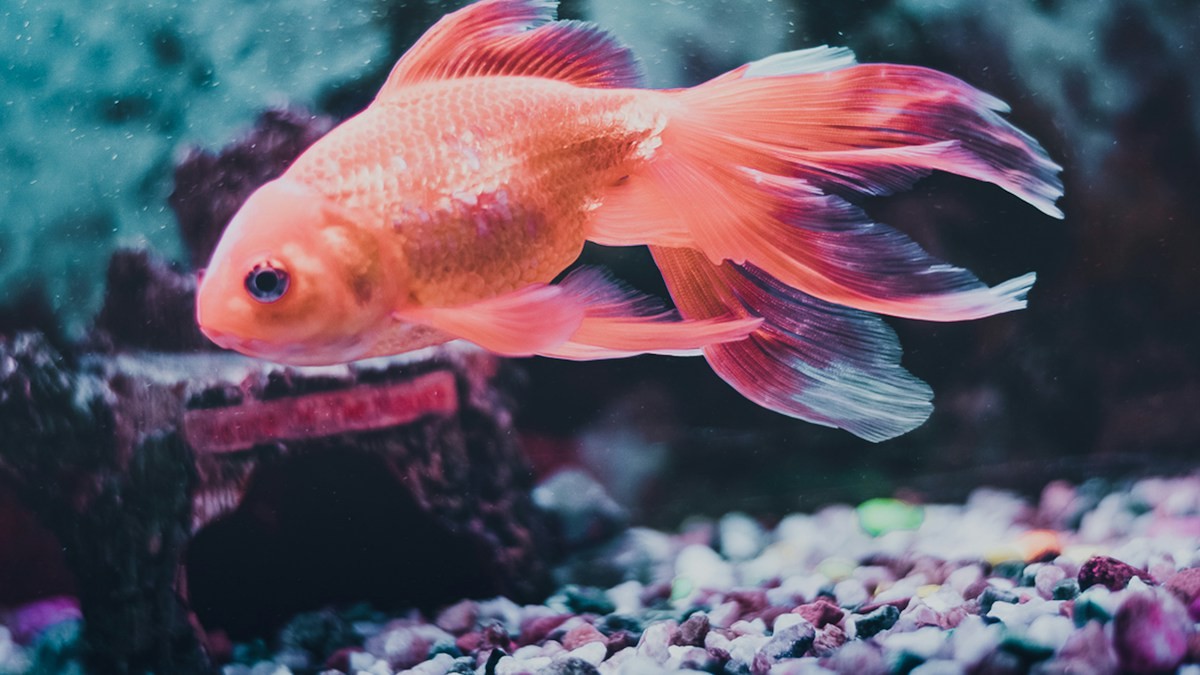
Betta fish (*Betta splendens*), commonly known as Siamese fighting fish, are among the most misunderstood and abused companion animals in the pet industry. Marketed as disposable desk ornaments capable of surviving in microscopic glass bowls, tiny plastic cups, or decorative vases under the false myth that they live in ‘muddy puddles’ in the wild, millions of bettas suffer premature deaths from ammonia poisoning, hypothermia, and fin rot.
In their native Southeast Asian habitats (the Mekong and Chao Phraya river basins), bettas inhabit sprawling shallow wetlands, rice paddies, and slow-moving streams. These tropical ecosystems are warm, lushly planted with dense submerged vegetation, and biologically mature. While bettas possess a specialized labyrinth organ allowing them to breathe atmospheric air when water oxygen levels dip, they require clean, filtered, and heated water to truly thrive.
In this comprehensive aquarium engineering guide, we break down the definitive betta fish tank setup. You will learn why a 5-gallon tank is the absolute biological minimum, discover how to calibrate gentle sponge filtration that protects delicate fin rays, master water temperature stabilization, and choose hardy live plants that recreate their natural tropical paradise.
Tank Volume and Geometry: Debunking the Bowl Myth
A 5-gallon (19-liter) rectangular glass tank represents the non-negotiable minimum baseline for humane betta care.
The Dilution Paradox: Why Bigger Tanks are Easier to Maintain
In a tiny 1-gallon bowl, a betta’s daily biological excretion of ammonia rapidly reaches lethal concentrations within 48 hours, burning sensitive gill filaments and requiring stressful daily 100% water changes.
In contrast, a 5-to-10-gallon tank provides sufficient water volume to dilute metabolic waste, buffer against sudden temperature fluctuations, and host a robust colony of beneficial nitrifying bacteria that continuously detoxify the water.
Surface Area and the Labyrinth Organ
Bettas are labyrinth breathers: they periodically swim to the surface to take a gulp of atmospheric air. Tall, narrow hexagonal tanks force long-finned varieties to expend excessive energy swimming vertically.
Choose a standard rectangular tank with a wide horizontal footprint, and always keep the water level 1 to 2 inches below the rim covered with a secure lid to prevent bettas from jumping out while maintaining warm, humid air above the surface.
Thermal Regulation and Gentle Filtration
As tropical ectotherms native to Thailand and Cambodia, bettas rely entirely on ambient water warmth for immune and digestive function.
The Mandatory Submersible Heater: 78°F to 80°F
Bettas kept at room temperature (68°F to 72°F) become severely lethargic, lose appetite, and experience systemic immune suppression that leaves them vulnerable to opportunistic bacterial fin rot and Ich parasites.
Equip your tank with an adjustable 25-watt or 50-watt submersible heater with a built-in thermostat calibrated precisely to 78°F – 80°F (25.5°C – 27°C). Verify temperature continuously with a dedicated glass thermometer mounted on the opposite side of the tank.
The Air-Driven Sponge Filter Solution
Selective breeding has endowed male bettas with magnificent, voluminous fins that act like heavy silk sails. Powerful motorized hang-on-back filters generate turbulent currents that toss bettas around the tank like a hurricane, leading to chronic physical exhaustion and torn fin membranes.
An air-driven coarse sponge filter paired with an adjustable air valve provides ideal biological and mechanical filtration, oxygenates the water gently, and generates a calm, soothing current that bettas can navigate effortlessly.
Substrate, Live Botanical Flora, and Lighting
Transforming your aquarium into a naturalistic biotope reduces stress and encourages vibrant natural behaviors like bubble nesting.
The Live Plant Advantage: Anubias, Java Fern, and Frogbit
Sharp, rigid plastic artificial plants are a major hazard, easily snagging and shredding delicate fin rays. Swap plastic decor for low-tech live plants such as *Anubias barteri*, Java Fern, and floating Amazon Frogbit.
Anubias broad leaves create natural resting hammocks near the surface where bettas love to sleep, while floating plants diffuse overhead light and absorb excess nitrates from the water column.
The Benefits of Indian Almond Leaves (Catappa)
Add dried Indian Almond Leaves (Catappa) to your tank. As the leaves decompose, they release natural humic substances and tannins that gently tint the water a warm amber hue.
These tannins possess proven antibacterial and antifungal properties, stimulate slime coat production, and recreate the soothing blackwater conditions of native wild betta habitats.
Betta Fish Environmental Parameters & Equipment Standards
| Equipment / Parameter | Minimum Standard | Optimal Recommendation | Dangerous Myth / Pitfall | Primary Health Impact |
|---|---|---|---|---|
| Aquarium Volume | 5 Gallons (19 Liters) | 10 Gallons (38 Liters) | 0.5 – 1 Gal tiny bowls or vases | Dilutes toxic ammonia waste; prevents organ stunting |
| Water Temperature | 78°F – 80°F (25.5°C – 27°C) | Consistent 79°F with thermostat heater | Unheated room temperature (<74°F) | Prevents lethargy, drops in immunity, and velvet/ich |
| Filtration Type | Air-driven sponge filter | Gentle baffled low-flow filter | Strong motorized power filters | Protects long flowing fins from tearing and current exhaustion |
| Live Aquatic Flora | Silk fabric artificial plants | Anubias, Java Fern, Floating Frogbit | Rigid plastic spiky plants | Sharp plastic shreds delicate betta fin rays |
| Water Chemistry | pH 6.8 – 7.5; 0 Ammonia, 0 Nitrite | Slightly soft, botanicals (tannins) | Uncycled tap water with chlorine | Maintains slime coat health and gill respiratory function |
Recommended Further Reading & Authoritative References
To deepen your understanding of these systems, review our companion analysis on Nitrogen Cycle for Nano Aquariums and Live Aquarium Plants for Bettas. For official technical specifications and industry standards, consult the Aquarium Co-Op Planted Tank & Betta Care Guides.
Preventative Health Protocols & Environmental Quality Standards
Maintaining optimal wellbeing when implementing Betta Fish Tank Setup requires consistent observation and strict environmental quality control. Small animals and aquatic species possess sensitive respiratory and metabolic systems that react rapidly to subtle micro-environmental shifts.
Establish a regular sanitation schedule using only pet-safe, non-toxic cleaning agents free from volatile synthetic fragrances. For aquatic habitats, conduct weekly multi-parameter water tests measuring ammonia, nitrite, and nitrate levels to preserve established biological filtration.
Conduct daily behavioral evaluations during feeding routines. Early identification of appetite variations, altered posture, or changes in grooming habits enables immediate, low-stress interventions before minor concerns develop into urgent veterinary conditions.
Comprehensive Habitat Maintenance & Long-Term Animal Welfare Protocols
Providing exceptional long-term care for domestic companion animals and delicate aquatic species requires attentive behavioral observation, strict environmental sanitation, and consistent habitat auditing. Experienced veterinarians and aquatic specialists emphasize that baseline husbandry parameters—including ambient enclosure temperatures, dietary balances, and water chemistry parameters—must be diligently monitored across seasonal shifts. By maintaining a disciplined cleaning schedule and enriching living environments with species-appropriate stimuli, pet guardians establish an enduring home that nurtures vibrant vitality and stress-free longevity.
Furthermore, maintaining strict adherence to validated preventive care routines shields companion pets from insidious metabolic deficiencies, opportunistic bacterial infections, and environmental distress. Regularly inspecting filtration impellers, substrate hygiene, and enclosure safety seals preserves your home sanctuary against common husbandry pitfalls. When you invest the effort to deeply understand and respect each species’ distinct biological requirements, you foster a joyful, enduring companionship characterized by optimum health and mutual trust.
Frequently Asked Questions
Can two male betta fish ever live together in a large tank?
No, absolutely not. Male *Betta splendens* possess aggressive territorial instincts honed over centuries of selective breeding. Placing two males in the same tank will inevitably result in violent fighting, severe injuries, and death.
Can female bettas live together in a ‘sorority’ tank?
Betta sororities are exceptionally high-risk, volatile setups suitable only for master aquarists with heavily planted 30+ gallon tanks and multiple backup isolation tanks. Chronic underlying social stress frequently leads to sudden fatal disease outbreaks.
What peaceful tank mates can share a 10-gallon tank with a single male betta?
In a well-planted 10-gallon tank, safe non-aggressive tank mates include Nerite snails, Amano shrimp, and peaceful bottom-dwelling Malaysian trumpet snails. Avoid colorful, active fin-nipping schooling fish like tiger barbs or fancy guppies.
How often and how much water should I change in a 5-gallon betta tank?
In a fully cycled, filtered 5-gallon tank, perform a 20% to 25% water change once every week using a gravel vacuum siphon to remove detritus from the substrate. Always treat tap water with a quality dechlorinator (such as Seachem Prime) and match the replacement water temperature before adding.