



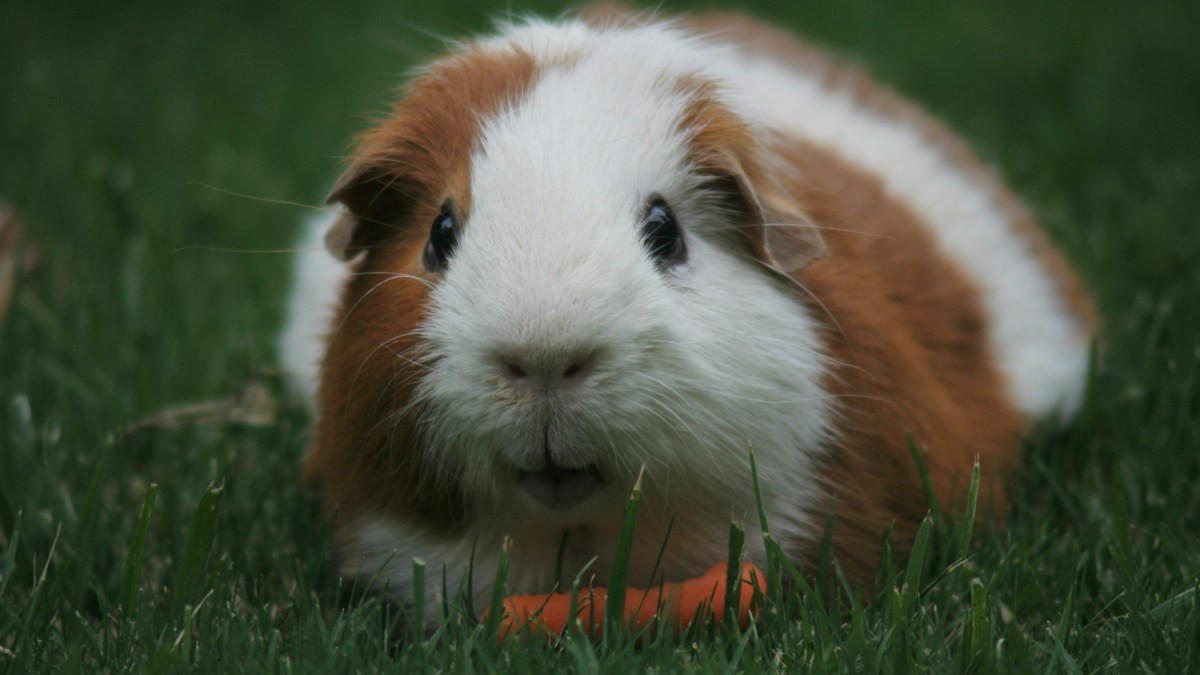
Among the diverse array of domestic companion mammals, guinea pigs (*Cavia porcellus*) possess a rare and profound physiological vulnerability: like humans and non-human primates, they completely lack the functional liver enzyme L-gulonolactone oxidase (GULO). Consequently, guinea pigs are biochemically incapable of synthesizing endogenous ascorbic acid (vitamin C) from glucose, rendering them entirely dependent upon daily exogenous dietary intake to survive.
Ascorbic acid serves as an indispensable co-factor for prolyl and lysyl hydroxylase enzymes, which drive the structural hydroxylation and triple-helix assembly of collagen fibers throughout connective tissue, cartilage, bone matrices, and capillary walls. When dietary intake falters, collagen synthesis arrests within ten to fourteen days, precipitating hypovitaminosis C—clinically known as scurvy. Scurvy remains one of the most agonizing, debilitating, and preventable diseases seen in companion exotic veterinary medicine.
This evidence-based veterinary nutrition guide provides an exhaustive breakdown of guinea pig vitamin c requirements. We examine daily milligram dosages by weight and health status, evaluate fresh vegetable nutrient profiles, expose common commercial supplementation mistakes, and outline early clinical symptoms that demand immediate therapeutic intervention.
The Molecular Biology of Guinea Pig Ascorbic Acid Dependency
Why evolutionary genetic mutations make vitamin C an obligate daily nutrient.
The Inactivating GULO Gene Mutation
Millions of years ago, the common ancestor of cavies sustained a spontaneous evolutionary loss-of-function mutation in the gene encoding L-gulonolactone oxidase. In an ecological environment saturated with fresh wild foliage, herbs, and grasses rich in ascorbic acid, this loss was not selected against. In domestic captivity, however, this genetic quirk leaves guinea pigs acutely susceptible to systemic connective tissue collapse if their caretaker fails to supply consistent fresh nutrition.
Ascorbic acid is a water-soluble antioxidant that cannot be stored in significant quantities within adipose or muscle tissue. Guinea pigs deplete systemic reserves within two to three weeks of receiving a deficient diet, initiating a cascade of microscopic hemorrhages and cartilage degradation.
Pathophysiology and Symptoms of Cavy Scurvy
Without collagen cross-linking, the capillary basement membranes rupture easily, producing subcutaneous petechiae, hemarthrosis (bleeding into joint capsules), and mucosal hemorrhage. The earliest clinical symptom is often a painful, ‘bunny-hopping’ gait, where the animal refuses to put weight on swollen, tender hock joints.
As scurvy advances, the periodontal ligaments weaken, causing incisors and molars to loosen and misalign. Affected cavies drool excessively, grind their teeth in pain, lose weight precipitously from inability to chew, and eventually succumb to secondary bacterial pneumonia or systemic sepsis.
Target Daily Dosages Across Life Stages and Health Statuses
Establishing scientific milligram requirements for maintenance, growth, and clinical recovery.
Standard Adult Maintenance Requirements
A healthy adult guinea pig requires a baseline maintenance dosage of 10 to 30 milligrams of active vitamin C per kilogram of body weight daily. For a standard 1,000-gram (1 kg) cavy, delivering approximately 20 to 25 mg per day provides a generous safety margin that sustains full collagen synthesis and immune defense without exceeding renal clearance capacities.
Excess water-soluble vitamin C is filtered through the kidneys and excreted in the urine. While toxicity from natural dietary sources is virtually impossible, chronic extreme mega-dosing (exceeding 100 mg/kg daily over months) can promote calcium oxalate bladder stone precipitation in animals genetically predisposed to urolithiasis.
Therapeutic and Growth Dosing (Pregnant, Juvenile, Sick)
During periods of rapid skeletal growth, pregnancy, lactation, or systemic illness (such as upper respiratory infections or pododermatitis), metabolic demand surges. Juvenile guinea pigs up to six months of age, pregnant sows, and recovering patients require 30 to 50 milligrams per kilogram daily.
Cavies presenting with active clinical signs of scurvy should receive an immediate therapeutic dosage of 50 to 100 mg/kg orally via syringe for 10 to 14 days under direct exotic veterinary supervision until joint mobility and normal chewing appetite are fully restored.
Dietary Sources: Fresh Vegetables vs Pellets vs Liquid Supplements
How to deliver bioavailable ascorbic acid without compromising dental or renal health.
Fresh Bell Peppers: The Gold Standard Source
Fresh, raw bell peppers (sweet capsicums) represent the single best daily source of natural vitamin C for guinea pigs. Yellow and red bell peppers are exceptionally concentrated, providing between 120mg and 180mg of vitamin C per 100 grams of edible flesh—far outstripping citrus fruits while containing significantly less fruit acid and sugar.
Feeding one-eighth to one-quarter of a fresh bell pepper (seeds and stems removed) to each guinea pig daily effortlessly meets their entire 20-30mg daily requirement while providing vital dietary moisture and micronutrients.
The Water Bottle Vitamin C Myth
Adding commercial liquid vitamin C drops to communal water bottles is strongly discouraged by exotic veterinarians for three critical reasons. First, ascorbic acid is notoriously light-sensitive and oxidative; exposure to ambient room light and dissolved oxygen degrades over 50% of the vitamin C within four to six hours, leaving virtually zero active nutrient by evening.
Second, vitamin C drops impart a sour, bitter, or medicinal taste to the water, prompting many cavies to drastically reduce their daily fluid intake. This induced dehydration severely concentrates urine, dramatically accelerating the formation of agonizing calcium bladder stones.
Fresh Vegetable Vitamin C Concentration & Calcium Profile
| Fresh Produce | Vitamin C (mg / 100g) | Calcium Content | Safe Daily Portion | Dietary Assessment |
|---|---|---|---|---|
| Yellow Bell Pepper | 183 mg | 11 mg (Low) | 1/8 to 1/4 pepper daily | Optimal Daily Staple |
| Red Bell Pepper | 127 mg | 7 mg (Low) | 1/8 to 1/4 pepper daily | Optimal Daily Staple |
| Green Bell Pepper | 80 mg | 10 mg (Low) | 1/4 pepper daily | Excellent Low-Sugar Option |
| Fresh Cilantro (Coriander) | 27 mg | 67 mg (Moderate) | Small handful daily | Great Foraging Herb |
| Kale / Parsley | 120 – 133 mg | 150 – 200 mg (High) | 1-2 sprigs 2x weekly max | Risk of Bladder Sludge |
| Oranges / Strawberries | 53 – 59 mg | 16 – 40 mg (Low) | Thumbnail slice weekly treat | Too acidic / high sugar |
Recommended Further Reading & Authoritative References
To deepen your practical mastery of these concepts, explore our comprehensive analyses on understanding guinea pig vocalizations and health distress cues and safe foraging herbs and healthy daily botanical nutrition. For official technical standards, peer-reviewed benchmarks, and industry guidelines, consult the Veterinary Information Network: Vitamin C Deficiency (Scurvy) in Guinea Pigs.
Frequently Asked Questions
Don’t commercial guinea pig pellets already have vitamin C included?
Yes, but standard ascorbic acid oxidizes and degrades rapidly once the bag is opened. Even high-grade pellets lose over 50% of their active vitamin C content within 90 days of the manufacturing date. Pellets should supplement, never replace, fresh daily dietary sources.
Can I give human vitamin C gummies or effervescent tablets to my guinea pig?
Never. Human vitamin C gummies contain high levels of gelatin, refined sugars, artificial sweeteners (like xylitol, which is lethal to pets), and sodium that disrupt cavy cecal fermentation.
What are the earliest warning signs that my guinea pig has scurvy?
Early signs include reluctance to move, hopping instead of walking, squeaking in pain when picked up around the hips, rough/dull coat, and subtle weight loss. Immediate oral syringe supplementation often reverses symptoms within 7 days if caught early.
Can a guinea pig overdose on vitamin C if I feed too much bell pepper?
Vitamin C is water-soluble, so excess amounts from bell peppers are safely filtered and excreted in urine. However, feeding excessive bell pepper can cause soft stools or mild digestive upset due to high water content.