




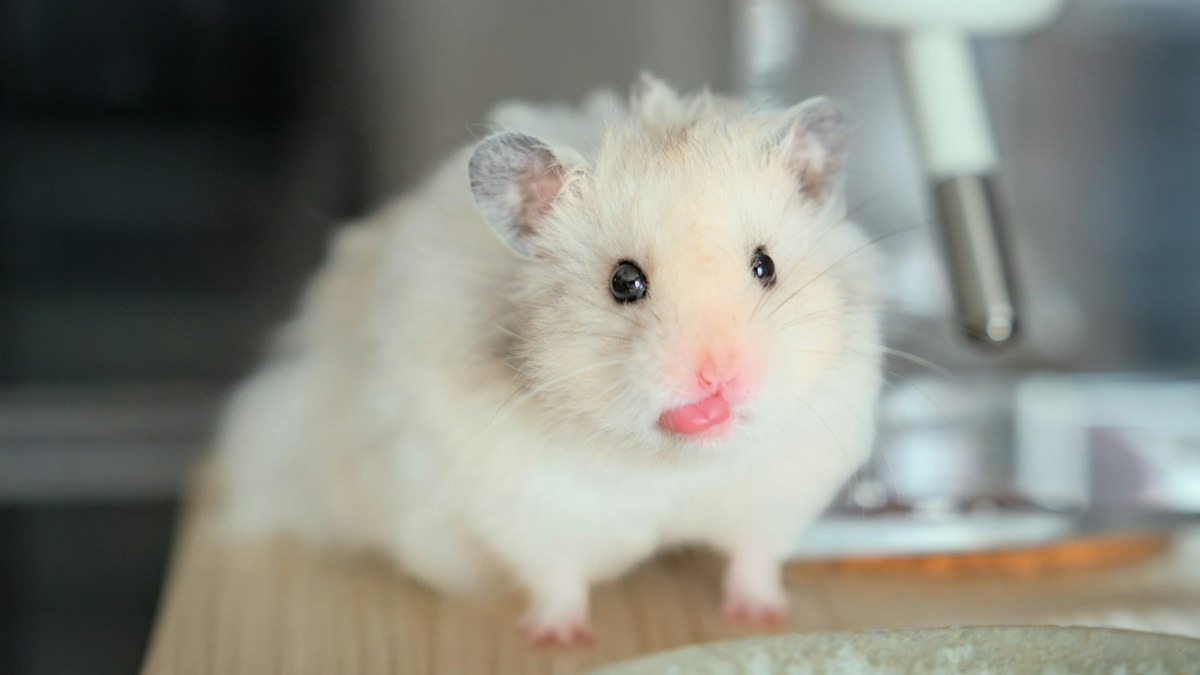
For desert-dwelling dwarf hamster species—including the Russian Campbell (*Phodopus campbelli*), Winter White (*Phodopus sungorus*), and Roborovski (*Phodopus roborovskii*)—access to a permanent sand bath is not a discretionary luxury; it is an absolute biological necessity for physiological hygiene and behavioral homeostasis. Unlike European domestic animals that bathe in water, hamsters in their arid native habitats of Mongolia and Central Asia utilize abrasive fine sand to strip excess sebaceous sebum, dirt, and moisture from their dense undercoats.
Water bathing is profoundly traumatic and hazardous to small rodents, stripping their natural insulating oils and predisposing them to fatal hypothermia and upper respiratory pneumonia. Sand bathing provides a completely dry, natural mechanism for dwarf hamsters to maintain waterproof, plush pelts, clean their ventral scent glands, and express vital digging behaviors.
However, offering the wrong type of sand can be fatal. Pet supply stores frequently market micro-fine volcanic dusts, scented bathing powders, and calcium-fortified substrates that induce chronic corneal ulcerations, irreversible lung scarring, and lethal gastrointestinal impactions. This veterinary care manual outlines the chemical criteria for safe sand baths dwarf hamsters require, detailing substrate sourcing, heat sanitization, container geometry, and hygienic sifting protocols.
Respiratory Hazards: Why Chinchilla Dust and Scented Powders Are Lethal
The physiological difference between granular sand and microscopic airborne dust.
Pulmonary Silicosis and Upper Respiratory Tract Distress
Commercial ‘chinchilla dust’ and volcanic pumice powders are pulverized into microscopic particulate sizes designed specifically for the ultra-dense fur follicles of South American chinchillas. When dwarf hamsters vigorously roll, scratch, and flip in these airborne powders, clouds of ultra-fine particulate matter are inhaled into their narrow trachea and bronchioles.
Over time, these microscopic particles trigger chronic inflammation, pulmonary scarring (silicosis), and opportunistic bacterial pneumonia. Furthermore, sharp abrasive dust particles frequently become lodged under the eyelid, causing severe conjunctivitis, corneal abrasions, and irreversible blindness.
The Dangers of Added Scents and Deodorizers
Pet shops often sell scented bathing sands infused with artificial lavender, citrus, or baby-powder fragrances designed to mask rodent enclosure odors for human caretakers. Hamsters possess an exceptionally acute olfactory system that is up to forty times more sensitive than that of humans.
Inhaling volatile aromatic compounds induces severe neurological disorientation, suppresses natural pheromonal scent marking, and causes chemical irritation to sensitive nasal mucous membranes. Sand baths must be 100% fragrance-free and chemically inert.
Chemical Composition: Calcium Carbonate vs Natural Quartz Sand
Preventing fatal gastrointestinal impactions from commercial reptile substrates.
The Lethal Threat of Calcium-Fortified Sands
A frequent, devastating mistake among novice hamster owners is purchasing reptile ‘calcium sand’ (Vitasand). These products are manufactured from precipitated calcium carbonate. Because dwarf hamsters groom their coats meticulously with their tongues after bathing, they inevitably ingest residual grains adhering to their fur.
Ingested calcium carbonate neutralizes stomach acids, binds with digestive matter, and precipitates into a concrete-like sludge within the cecum and colon. This induces fatal gastrointestinal stasis and complete mechanical impaction requiring surgical euthanasia.
Safe Substrates: Kiln-Dried Play Sand and Pure Silica
The safest, most economical sand for all hamster species is non-toxic, pre-washed children’s play sand (such as Quikrete Play Sand), which consists of naturally weathered, rounded quartz and silica grains. Alternatively, pure calcium-free desert reptile sand (such as Zoo Med ReptiSand with zero added minerals or dyes) provides an excellent, fine-grained texture.
When using bulk play sand, caretakers should sift out oversized pebbles with a kitchen strainer, spread the sand evenly across a metal baking tray, and bake it in an oven at 400°F (200°C) for 30 minutes to eliminate any wild outdoor bacteria, fungal spores, or moisture.
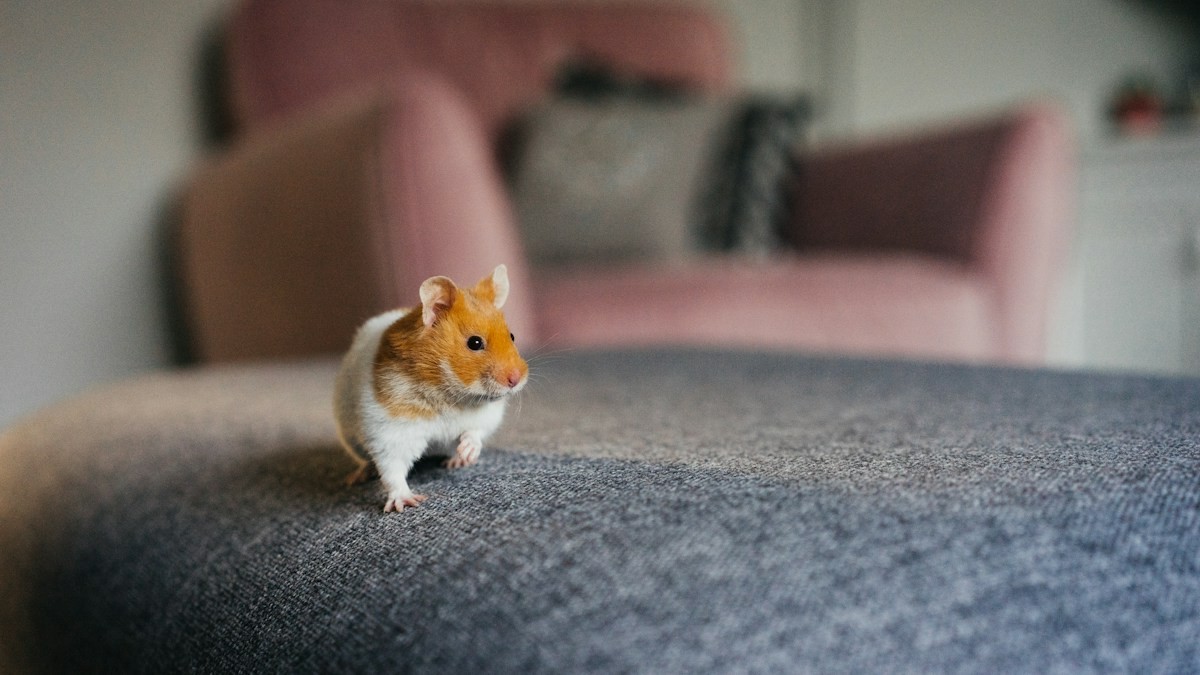
Enclosure Design, Dish Dimensions, and Hygiene Protocols
Integrating functional sand baths into dwarf hamster enclosures.
Container Dimensions and Enclosed Digging Chambers
Dwarf hamsters—especially energetic Roborovski hamsters—require a spacious sand bath measuring at least 20cm to 25cm (8 to 10 inches) in diameter, with a sand depth of 5cm to 8cm (2 to 3 inches). Shallow bowls prevent proper rolling and cause sand to be kicked out into surrounding bedding.
Utilizing heavy ceramic oven dishes, glass casserole pans, or acrylic multi-room sand boxes prevents the container from tipping over. Placing an opaque wooden bridge or tunnel over the sand bath creates a sheltered cavern that makes fearful dwarf hamsters feel safe enough to groom thoroughly in broad daylight.
Daily Sifting and Spot-Cleaning Routines
Hamsters frequently use one corner of their sand bath as a designated toilet chamber. Urine reacts with silica sand to form distinct, cohesive clumps that are effortlessly removed every morning using a fine-mesh reptile scoop or slotted spoon.
By sifting out soiled debris daily, caretakers can preserve the clean bulk sand for 4 to 6 weeks, replacing only the removed volume with fresh sanitized sand and preventing costly substrate waste.
Hamster Bathing Substrate Safety & Evaluation Guide
| Substrate Type | Grain Texture | Chemical Composition | Inhalation Risk | Safety Verdict |
|---|---|---|---|---|
| Children’s Play Sand (Baked) | Rounded, Medium-Coarse | 100% Natural Silica/Quartz | Zero (Dust-Free) | Gold Standard (Safe) |
| Zoo Med ReptiSand (Natural) | Ultra-Fine, Smooth | Pure Desert Quartz (No Ca) | Extremely Low | Safe & Premium |
| Chinchilla Bathing Dust | Micro-Fine Powder | Pumice / Sepiolite Dust | Extremely High | Lethal (Severe Hazard) |
| Reptile Calcium Sand | Coarse Precipitated | Calcium Carbonate | Low (Respiratory) | Lethal (Internal Impaction) |
| Scented Commercial Sand | Fine Granular | Silica + Artificial Fragrance | High (Toxic Aroma) | Hazardous (Avoid) |
Recommended Further Reading & Authoritative References
To deepen your practical mastery of these concepts, explore our comprehensive analyses on spacious hamster enclosure floor plans and deep bedding physics and natural foraging sprays and enrichment textures. For official technical standards, peer-reviewed benchmarks, and industry guidelines, consult the The Hamster Forum Comprehensive Species Care: Sand Baths.
Comprehensive Husbandry Audit & Long-Term Management Protocols
Implementing these techniques successfully over extended periods requires continuous observation and systematic environmental auditing. Experienced caregivers recognize that baseline standards must be dynamically adapted to suit the unique physical health, temperament, and behavioral responses of each animal. By maintaining a structured weekly health and habitat observation log, you can identify subtle physiological shifts early, ensuring that your companion pet enjoys a sustained quality of life characterized by comfort, mental stimulation, and exceptional vitality.
Furthermore, maintaining strict adherence to validated veterinary guidelines prevents the subtle onset of chronic illness or psychological distress. Regularly verifying structural integrity, nutritional bioavailability, and hygienic thresholds safeguards your habitat against environmental hazards. When you invest the effort to design and maintain a meticulously curated living space, you establish an enduring standard of care that promotes thriving longevity and deep, enriching companion bonding.
Frequently Asked Questions
Should Syrian hamsters also have a sand bath or just dwarf hamsters?
Yes! While Syrian hamsters do not roll as frantically as dwarf hamsters, they utilize sand baths daily to clean their paws, groom their scent glands, and relieve stress. A Syrian sand bath should be at least 25cm to 30cm across.
Can I wash my hamster with water and pet shampoo if they get dirty?
Never wash a hamster with water except under urgent veterinary orders for toxic chemical spills. Water baths strip essential skin oils, cause violent panic, and frequently result in deadly hypothermia and respiratory infections.
Why does my dwarf hamster sleep inside the sand bath?
Dwarf hamsters often sleep in sand baths because sand feels cool during warm weather, or because the sand bath container provides an enclosed, secure corner. Ensure a covered wooden hideout is placed over the sand so they feel sheltered.
How can I tell if play sand is completely dry after baking?
After baking at 400°F for 30 minutes, let the tray cool completely to room temperature. Press your hand into the sand; if any condensation or damp grains cling to your palm, bake for an additional 15 minutes.