



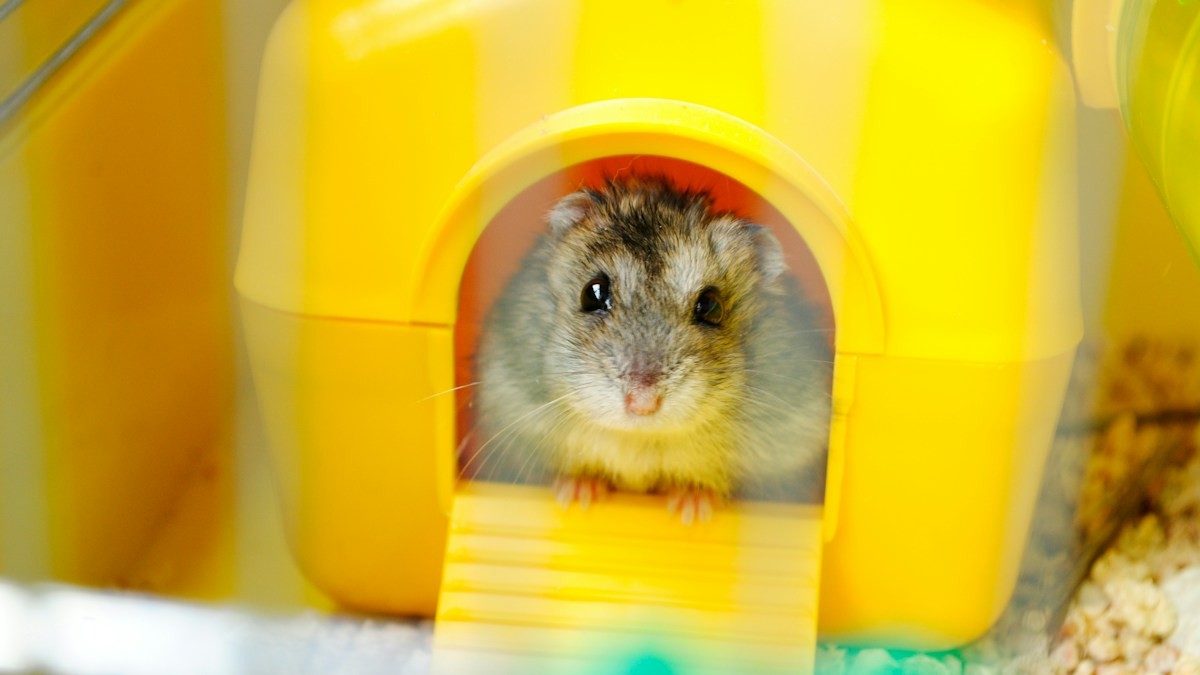
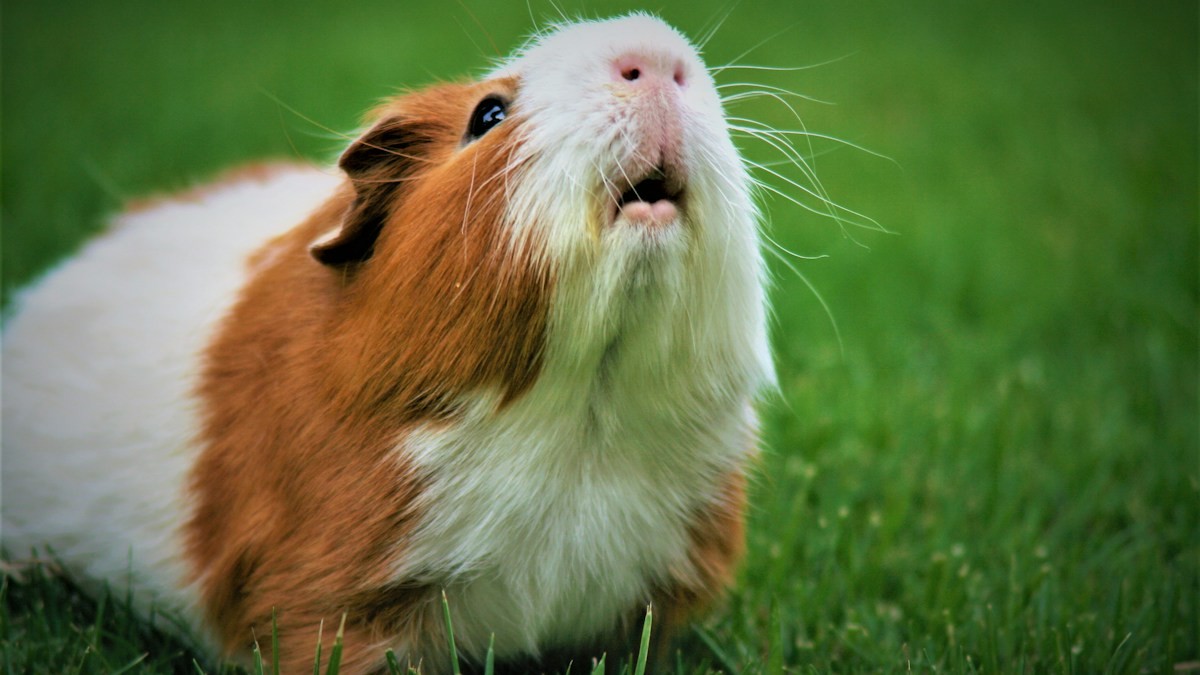
In the wild, small mammals spend upwards of 70% of their waking hours actively exploring expansive territories, excavating complex subterranean burrows, foraging for seeds, and gnawing on tough fibrous roots to wear down their continuously growing teeth. In captivity, confined within artificial enclosures, small pets like hamsters, guinea pigs, and gerbils frequently suffer from profound psychological under-stimulation. When boredom strikes, pets develop repetitive stereotypical behaviors: frantically bar-chewing, obsessive pacing, excessive bar-climbing, and self-injurious over-grooming.
Commercial pet stores often charge exorbitant prices for brightly colored plastic toys that are not only boring to the animal, but actively dangerous when chewed and swallowed. Fortunately, stimulating your pet’s natural behavioral instincts does not require spending hundreds of dollars on commercial accessories. With simple, non-toxic household materials like unprinted cardboard, pure Timothy hay, and organic seed mixes, you can construct engaging, veterinary-safe boredom breakers.
In this comprehensive DIY enrichment masterclass, we teach you how to craft low-cost boredom breakers for small pets. You will discover how to transform plain cardboard toilet tissue tubes into foraging puzzle cubes, build multi-chamber exploration mazes, and craft natural chew toys that satisfy instinctive chewing urges while protecting dental health.
The Psychology of Foraging vs. Bowl Feeding
Dumping food into an open ceramic bowl deprives small pets of their primary natural occupation: foraging.
The Dangers of ‘Fast-Food’ Bowl Feeding
When an animal is fed from a bowl, it consumes its daily caloric requirement in less than five minutes. With the remainder of the evening empty, boredom and pent-up energy inevitably manifest as enclosure-induced stress.
Scatter-feeding—sprinkling seed mixes directly across the bedding substrate and hiding treats inside puzzle toys—forces the animal to utilize its keen olfactory sense and natural digging behavior, keeping it mentally enriched for hours.
The Biological Imperative of Continuous Chewing
Rodents and lagomorphs possess ‘elodont’ teeth: open-rooted incisors that grow continuously throughout their lifespan (up to 2 to 3 millimeters every week). Without fibrous wood and hay to grind down their teeth, animals develop fatal dental malocclusions.
Natural chew toys provide the mechanical resistance necessary to keep incisors perfectly trimmed and aligned.
Step-by-Step DIY Boredom Breaker Blueprints
Follow these simple, non-toxic crafting protocols using everyday household recyclable materials.
Blueprint 1: The Cardboard Toilet Roll Puzzle Ball
Take an empty, unbleached cardboard toilet paper tube (ensure all glue remnants are peeled away). Using scissors, cut the tube crosswise into five 1-centimeter rings.
Slip the first ring through the second ring at a right angle. Insert a high-value treat (such as a pumpkin seed, a pinch of rolled oats, or a sprig of dried spray millet) into the center. Weave the remaining three rings around the outside until a closed spherical cage is formed. The pet must chew, claw, and roll the ball to release the hidden treat.
Blueprint 2: The Multi-Chamber Cardboard Box Labyrinth
Collect clean, unprinted brown corrugated shipping boxes (peel off all plastic tape, shipping labels, and glue). Cut 3-inch circular archways into the sides of smaller cardboard shoe boxes and arrange them inside a larger shallow box to form an interconnected underground tunnel maze.
Fill the chambers with loose orchard grass, dried dandelion leaves, and scattered sunflower seeds. Place a removable cardboard lid on top so your pet feels safe navigating dark subterranean corridors.
Material Safety Checklist: What is Safe vs. What is Toxic
Small pet respiratory systems and digestive tracts are extraordinarily sensitive. Strict material vetting is mandatory.
Safe Adhesives and Binders
Never use hot glue guns, synthetic superglues, or chemical adhesives. If a craft requires binding, make a non-toxic edible paste by mixing equal parts unbleached white wheat flour and warm water, cooking it gently in a saucepan until a thick paste forms.
Alternatively, use pure, untreated organic sisal twine, jute string, or plain raffia to tie components together.
Cardboard and Paper Guidelines
Plain brown corrugated cardboard and unbleached paper towel rolls are 100% safe. Prohibit glossy cardboard packaging (such as cereal boxes), colored inks, and scented toilet paper rolls containing chemical fragrances.
Never provide synthetic polyester fluffy bedding or fabric strips, which cause fatal intestinal blockages and strangle tiny limbs when threads unravel.
DIY Small Pet Boredom Breakers & Safety Ratings
| Enrichment Toy | Household Material Required | Assembly Time | Pet Suitability | Mental Enrichment Benefit |
|---|---|---|---|---|
| Toilet Roll Foraging Pinata | Cardboard roll, Timothy hay, seeds | 5 Minutes | Hamsters, Gerbils, Mice | Simulates natural wild seed foraging |
| Braided Sisal Chew Ring | Untreated sisal / jute twine, apple twigs | 10 Minutes | Rabbits, Guinea Pigs, Chinchillas | Encourages continuous molar dental wear |
| Multi-Level Cardboard Maze | Unprinted shipping boxes, non-toxic glue | 30 Minutes | All small mammals | Spatial navigation & exploration stimulation |
| Buried Treat Box Puzzle | Small egg carton, organic oats, hay | 3 Minutes | Hamsters, Degus | Olfactory scent tracking & digging instinct |
| Suspended Vegetable Kabob | Stainless steel skewer, fresh bell pepper | 2 Minutes | Guinea Pigs, Rabbits | Physical stretching & elevated neck browsing |
Recommended Further Reading & Authoritative References
To deepen your understanding of these systems, review our companion analysis on Complete Hamster Habitat Guide and Safe Foraging Sprays and Boredom Breakers. For official technical specifications and industry standards, consult the RSPCA Rodent Welfare & Enrichment Guidelines.
Preventative Health Protocols & Environmental Quality Standards
Maintaining optimal wellbeing when implementing Low-Cost DIY Boredom Breakers requires consistent observation and strict environmental quality control. Small animals and aquatic species possess sensitive respiratory and metabolic systems that react rapidly to subtle micro-environmental shifts.
Establish a regular sanitation schedule using only pet-safe, non-toxic cleaning agents free from volatile synthetic fragrances. For aquatic habitats, conduct weekly multi-parameter water tests measuring ammonia, nitrite, and nitrate levels to preserve established biological filtration.
Conduct daily behavioral evaluations during feeding routines. Early identification of appetite variations, altered posture, or changes in grooming habits enables immediate, low-stress interventions before minor concerns develop into urgent veterinary conditions.
Comprehensive Husbandry Audit & Long-Term Management Protocols
Implementing these techniques successfully over extended periods requires continuous observation and systematic environmental auditing. Experienced caregivers recognize that baseline standards must be dynamically adapted to suit the unique physical health, temperament, and behavioral responses of each animal. By maintaining a structured weekly health and habitat observation log, you can identify subtle physiological shifts early, ensuring that your companion pet enjoys a sustained quality of life characterized by comfort, mental stimulation, and exceptional vitality.
Furthermore, maintaining strict adherence to validated veterinary guidelines prevents the subtle onset of chronic illness or psychological distress. Regularly verifying structural integrity, nutritional bioavailability, and hygienic thresholds safeguards your habitat against environmental hazards. When you invest the effort to design and maintain a meticulously curated living space, you establish an enduring standard of care that promotes thriving longevity and deep, enriching companion bonding.
Frequently Asked Questions
Is regular cardboard safe if my hamster or guinea pig eats it?
Small amounts of plain, unprinted cardboard chewed and swallowed will pass harmlessly as cellulose roughage. However, if you observe an animal actively gorging on cardboard rather than shredding it, remove the toy and offer safe orchard grass or kiln-dried apple wood sticks instead.
Can I use cardboard egg cartons for foraging boxes?
Yes! Clean, unsoiled paper pulp egg cartons make fantastic puzzle boxes. Place a few seeds inside each egg cup, cover with a dense tuft of Timothy hay, and close the lid lightly.
What outdoor branches are safe to harvest for homemade chew sticks?
Branches from pesticide-free apple, pear, hazelnut, and willow trees are completely safe. Wash them thoroughly with hot water and bake them in an oven at 200°F (95°C) for 45 minutes to sterilize wild insects and fungal spores.
Why do guinea pigs chew on cardboard less than hamsters do?
Guinea pigs are larger herbivores with different foraging instincts; they prefer soft hay, fresh vegetables, and fleece tunnels over destructive cardboard shredding. Focus on edible hay-stuffed rolls and hanging vegetable garlands for guinea pigs.